


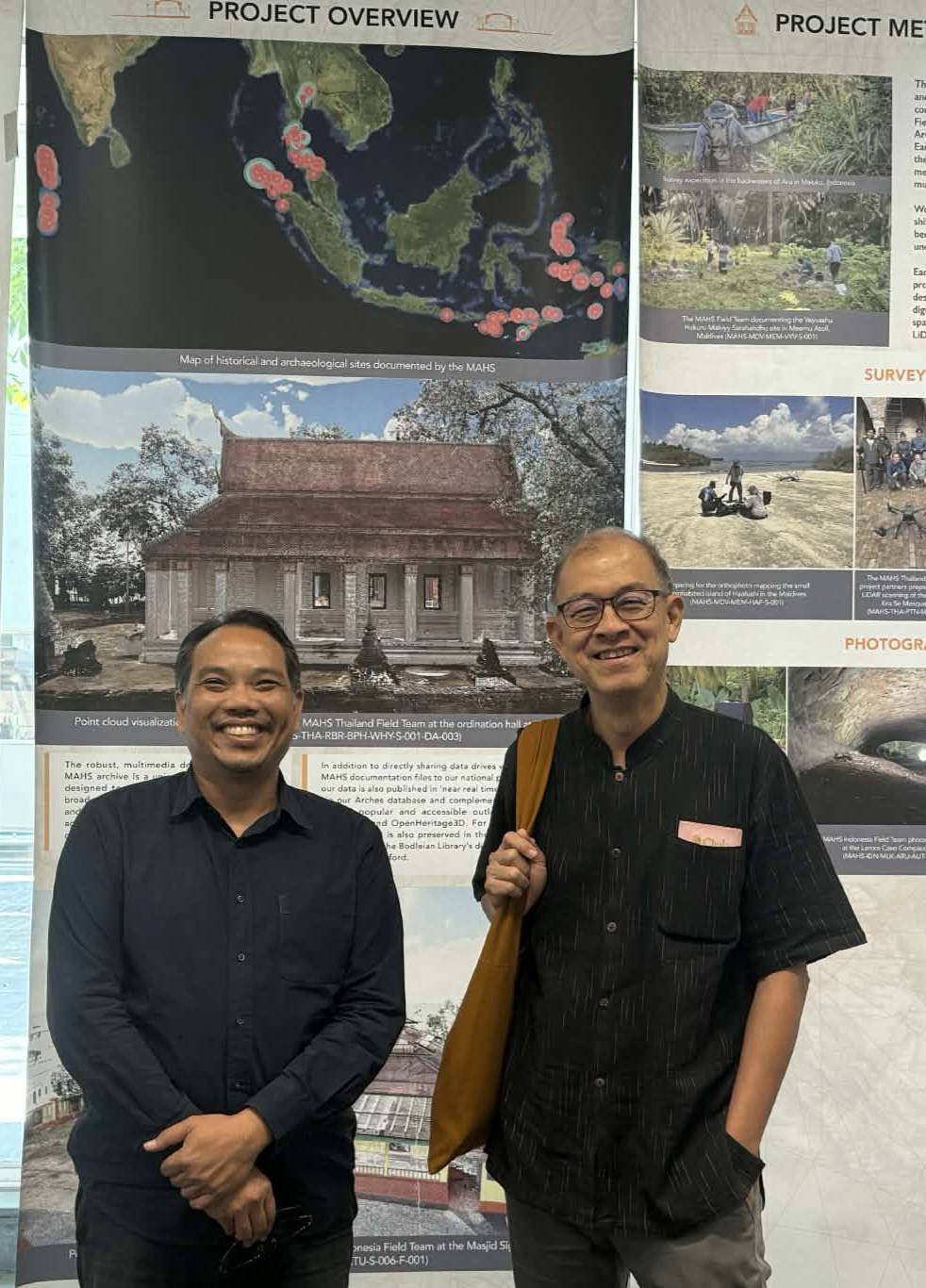
20260417_3 ตามมาเรียนรู้จนถึงที่ ToLearnOnSite
ตามมาเรียนรู้จนถึงที่
ToLearnOnSite
(20260417_3 เพื่อแผ่นดินเกิด)
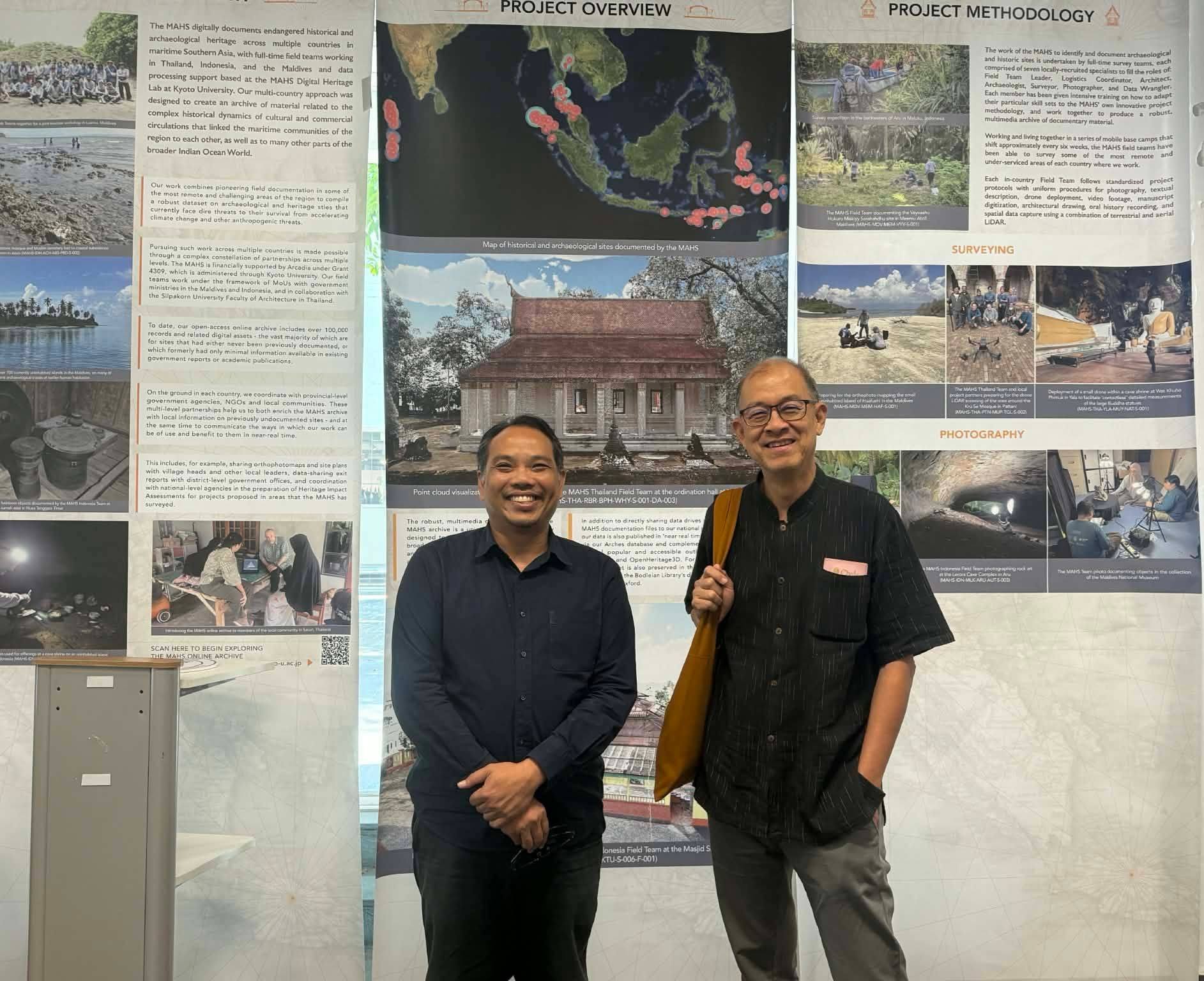
วานนี้ อ. Kreangkrai Kirdsiri สรุปงานที่กำลังแสดงไว้น่าสนใจ
เพราะเกี่ยวเนื่องกับเรื่องที่กำลังทำกัน
ทั้งสุวรรณภูมิ ทั้งเมืองนคร
วันนี้ก็เลยหาเหตุขึ้นมาจนถึงที่
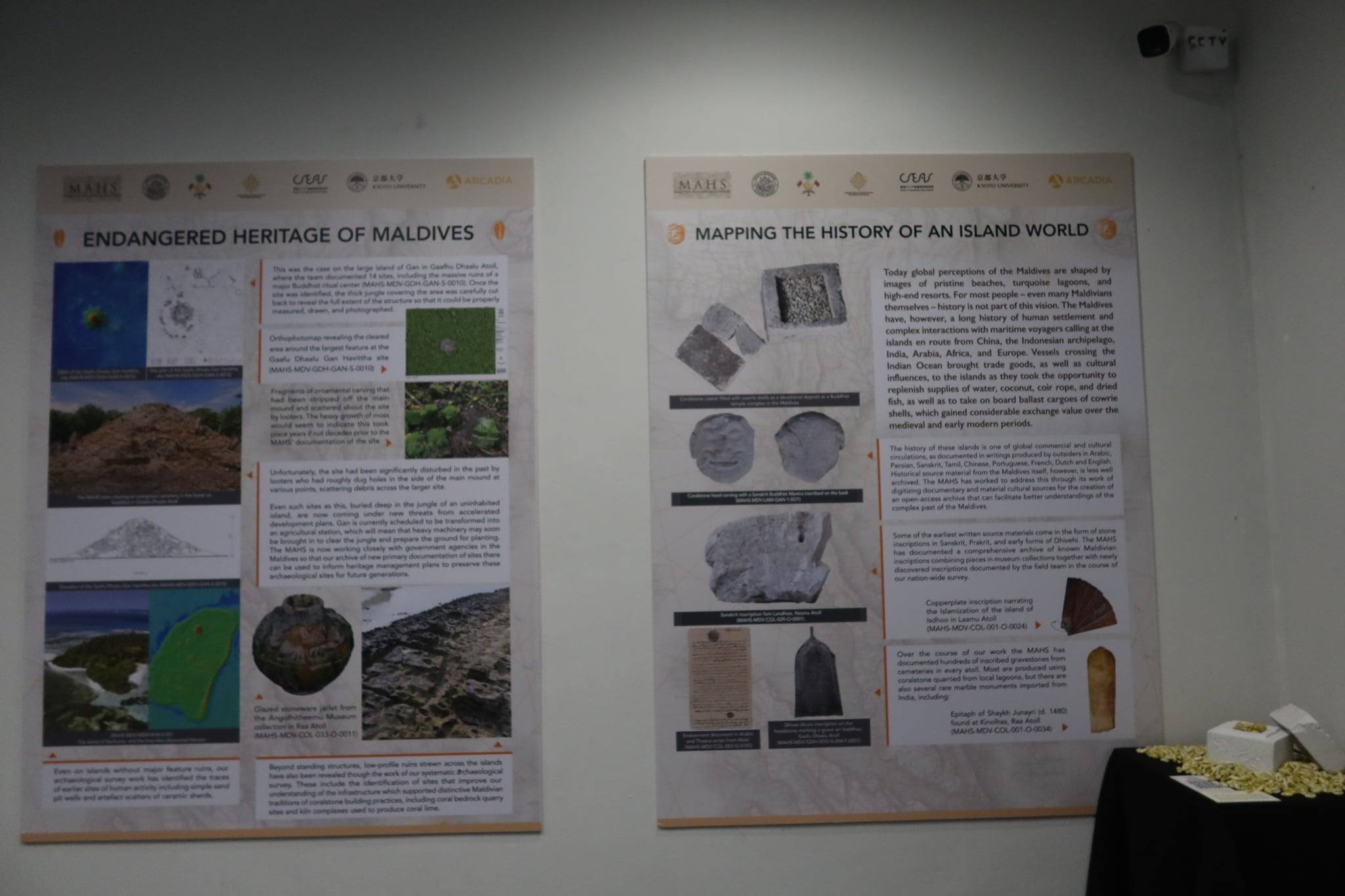
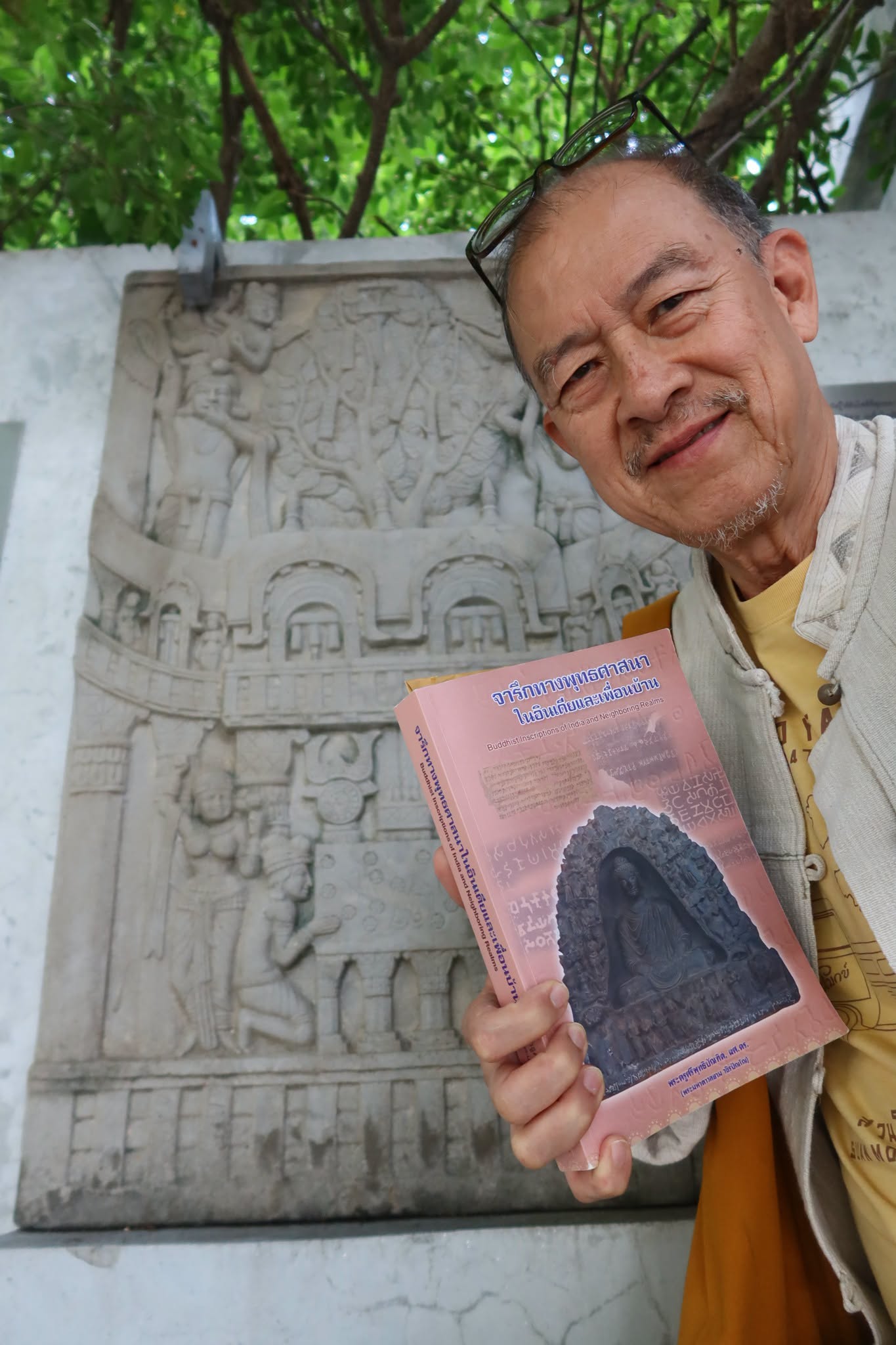
เท่าที่ตรง ๆ ก็เรื่องรอยพระพุทธศาสนามากมายในมัลดิฟ
สอดคล้องกับที่เคยคุยกับอดีตรัฐมนตรีมัลดิฟคนหนึ่งเมื่อนานแล้ว
อาจารย์ว่าน่าจะจาก #อนุราธปุระ !!!
ถามท่าน Lanka Kumar ครับว่าท่านคิดไง
แล้วที่เลยมานคร #ตามพรลิงค์ หรือ #สุวรรณภูมิ ด้วยไหม ?
ส่วนในอินโดไม่เท่าไหร่
มาอีกทีที่ภาคใต้ไทยก็น่าสนใจ
แต่ที่สนใจสุดก็มีหน้าถัง บวรนคร ด้วย
อีกอย่างมี #วัดถ้ำยะลา ด้วยนะครับ Petch Pongpanich ครับ
นี้ครับ ที่ อ.รายงานเมื่อวานนี้ ...
ม.ศิลปากร และ ม.เกียวโต เปิดตัวนิทรรศการ "มรดกเอเชียทางทะเล" ติดตามร่องรอยเครือข่ายอารยธรรมข้ามมหาสมุทร พร้อมนำเสนอฐานข้อมูลใหม่จากการสำรวจภาคสนามใน 3 ประเทศ
..................................................................
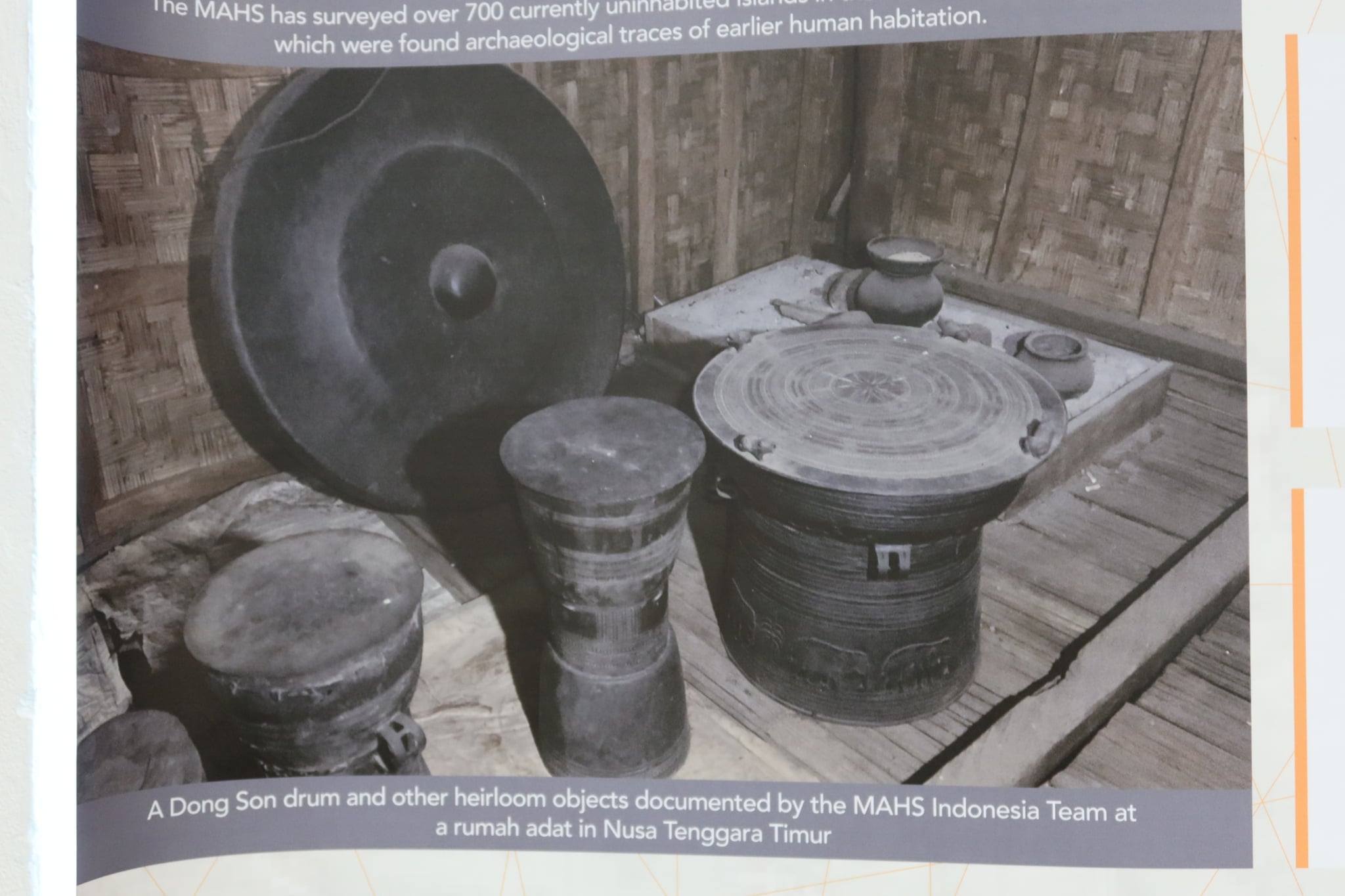
มหาวิทยาลัยศิลปากร ร่วมกับ มหาวิทยาลัยเกียวโต เปิดนิทรรศการ Heritage Documentation and Historical Interpretation: New Findings from Maritime Asia ภายใต้โครงการสำรวจมรดกเอเชียทางทะเล (Maritime Asia Heritage Survey — MAHS) ณ หอศิลปะพระพรหมพิจิตร คณะสถาปัตยกรรมศาสตร์ มหาวิทยาลัยศิลปากร วังท่าพระ ระหว่างวันที่ 9–18 เมษายน 2569 นิทรรศการนำเสนอผลการศึกษาภาคสนามและการตีความประวัติศาสตร์ผ่านเทคโนโลยีสมัยใหม่ อันเป็นผลลัพธ์สำคัญของโครงการ MAHS ซึ่งมุ่งสำรวจและจัดทำเอกสารดิจิทัลเกี่ยวกับแหล่งมรดกทางวัฒนธรรมที่เชื่อมโยงกับมหาสมุทร
โครงการ MAHS มีฐานปฏิบัติการอยู่ที่ศูนย์ศึกษาเอเชียตะวันออกเฉียงใต้ (Center for Southeast Asian Studies — CSEAS) มหาวิทยาลัยเกียวโต และได้รับการสนับสนุนจากกองทุน Arcadia โดยดำเนินการสำรวจภาคสนามหลักในประเทศมัลดีฟส์ อินโดนีเซีย และไทย เพื่อจัดทำคลังข้อมูลดิจิทัลแบบเปิดที่รวบรวมสื่อมรดกวัฒนธรรมหลากรูปแบบ พร้อมทรัพยากรเสริมบนเว็บไซต์ที่ออกแบบไว้เป็นพิเศษ ฐานข้อมูลที่ได้จะถูกส่งมอบคืนแก่ประเทศต้นทาง และจัดเก็บเพื่อการวิจัยเชิงลึกและการต่อยอดองค์ความรู้ที่มหาวิทยาลัยเกียวโต มหาวิทยาลัยออกซ์ฟอร์ด และมหาวิทยาลัยศิลปากร
โครงการ MAHS ต่อยอดมาจากโครงการนำร่อง Maldives Heritage Survey ซึ่งดำเนินงานภายใต้ Oxford Centre for Islamic Studies ระหว่างปี พ.ศ. 2560–2563 ก่อนจะเปิดตัวอย่างเป็นทางการในปี พ.ศ. 2563 ที่ CSEAS มหาวิทยาลัยเกียวโต ในการจัดทำเอกสารมรดกที่ตกอยู่ในความเสี่ยง ทีมภาคสนาม MAHS ใช้เทคโนโลยีดิจิทัลหลากหลาย ได้แก่ การทำแผนที่ด้วย GPS/RTK การถ่ายภาพดิจิทัล การบันทึกวิดีโอ การเขียนแบบ CAD การจัดทำดิจิทัลต้นฉบับตามมาตรฐาน IIIF รวมถึงการสแกน LiDAR ทั้งทางอากาศและภาคพื้นดิน เพื่อสร้างบันทึกข้อมูลที่มีความน่าเชื่อถือสำหรับนักประวัติศาสตร์ ชุมชนท้องถิ่น และผู้เชี่ยวชาญด้านการจัดการมรดก บันทึกและทรัพย์สินมรดกดิจิทัลทั้งหมดของโครงการ MAHS เปิดให้เข้าถึงได้อย่างเสรีทางออนไลน์ และจัดเก็บถาวรในคลังดิจิทัลของมหาวิทยาลัยเกียวโตและ Oxford Research Archive แห่ง Bodleian Library มหาวิทยาลัยออกซ์ฟอร์ด
ศาสตราจารย์ ดร. ธนะเศรษฐ์ ง้าวหิรัญพัฒน์ อธิการบดีมหาวิทยาลัยศิลปากร กล่าวว่า นิทรรศการครั้งนี้เป็นผลลัพธ์ที่จับต้องได้จากความร่วมมืออย่างทุ่มเทมาหลายปีระหว่างคณาจารย์ นักวิจัย และนักศึกษาของมหาวิทยาลัยศิลปากร กับนักวิจัยและทีมสำรวจจากศูนย์ศึกษาเอเชียตะวันออกเฉียงใต้ มหาวิทยาลัยเกียวโต ที่ลงพื้นที่ภาคสนามในมัลดีฟส์ อินโดนีเซีย และไทย โดยการดำเนินงานในประเทศไทยเกิดขึ้นได้จากบันทึกความเข้าใจที่ทั้งสองสถาบันได้ลงนามร่วมกัน
"การสำรวจภาคสนามอย่างเข้มข้นมาหลายปีสะท้อนให้เห็นถึงเครือข่ายความร่วมมือทางปัญญาที่มุ่งมั่นอย่างแท้จริงต่อการศึกษาและบันทึกมรดกทางทะเลของเอเชีย ซึ่งกำลังเผชิญความท้าทายอย่างมากในปัจจุบัน การบูรณาการองค์ความรู้และเทคโนโลยีเพื่อสร้างฐานข้อมูลมรดกทางวัฒนธรรมระดับภูมิภาคนั้นมีความสำคัญยิ่งในยุคที่โลกกำลังเผชิญกับวิกฤตการณ์หลายด้าน ทั้งการเปลี่ยนแปลงสภาพภูมิอากาศ ระดับน้ำทะเลที่สูงขึ้น และแรงกดดันจากการพัฒนาที่คุกคามแหล่งโบราณคดี นอกจากนี้ โครงการยังช่วยพัฒนาศักยภาพนักวิจัยไทยและเปิดโอกาสให้สำรวจพื้นที่สำคัญที่ยังไม่เคยได้รับการศึกษาอย่างเป็นระบบ โดยเฉพาะภาคใต้ตอนล่าง ซึ่งเป็นแหล่งวัฒนธรรมที่มีความหลากหลายและซับซ้อน พร้อมก้าวสู่เวทีวิชาการนานาชาติ" อธิการบดีกล่าว
"โครงการนี้จึงเป็นฐานความรู้อันมีคุณค่าของมวลมนุษยชาติ ที่จะช่วยรับมือกับความท้าทายจากการเสื่อมโทรมของสิ่งแวดล้อม การพัฒนาที่ขาดความตระหนักในคุณค่ามรดกทางวัฒนธรรม และภัยคุกคามอื่น ๆ ที่เกิดขึ้นอยู่ตลอดเวลา การปกป้องหลักฐานทางวัฒนธรรมของมนุษยชาติ คือการสร้างบันทึกให้แก่โลกเพื่อรักษามรดกที่กำลังตกอยู่ในความเสี่ยงในยุคสมัยใหม่ ความร่วมมือครั้งนี้จะช่วยให้ประเทศไทยพัฒนาองค์ความรู้และเทคโนโลยีเพื่อนำไปสู่การอนุรักษ์แหล่งสำคัญระดับโลกอย่างเป็นระบบและยั่งยืนในระยะยาว" อธิการบดีกล่าวเพิ่มเติม
ศาสตราจารย์ อาร์. ไมเคิล ฟีเนอร์ (Professor R. Michael Feener) หัวหน้าโครงการและผู้อำนวยการโครงการสำรวจมรดกเอเชียทางทะเล ดำรงตำแหน่งศาสตราจารย์ด้านการศึกษาข้ามภูมิภาค (Professor of Cross-Regional Studies) ประจำศูนย์ศึกษาเอเชียตะวันออกเฉียงใต้ มหาวิทยาลัยเกียวโต และยังเป็น Senior Associate ของ Centre for Indonesian Law, Islam and Society คณะนิติศาสตร์ มหาวิทยาลัยเมลเบิร์น รวมถึงเป็น Associate Member ของคณะประวัติศาสตร์ มหาวิทยาลัยออกซ์ฟอร์ด
ศาสตราจารย์ฟีเนอร์กล่าวว่า MAHS เป็นโครงการวิจัยความร่วมมือขนาดใหญ่ที่ดำเนินงานใน 3 ประเทศ ได้แก่ มัลดีฟส์ อินโดนีเซีย และไทย ด้วยแนวทางสหวิทยาการที่ผนวกเทคโนโลยีขั้นสูงเข้ากับการสำรวจภาคสนามทางโบราณคดี เพื่อสร้างฐานข้อมูลแบบเปิดเกี่ยวกับมรดกทางวัฒนธรรมในภูมิภาคเอเชียทางทะเล ในประเทศไทย MAHS ทำงานร่วมกับคณะสถาปัตยกรรมศาสตร์ มหาวิทยาลัยศิลปากร โดยทีมภาคสนามใช้ทั้งเทคโนโลยีล้ำสมัยและวิธีการสำรวจแบบดั้งเดิม เพื่อจัดทำบันทึกสำหรับฐานข้อมูลออนไลน์แบบเปิด ที่สะท้อนความหลากหลายและเอกลักษณ์ของวัฒนธรรมและประวัติศาสตร์ในภูมิภาค พร้อมจัดเก็บข้อมูลอย่างปลอดภัยเพื่อคนรุ่นหลัง
"สิ่งที่เราทำไม่ใช่เพียงการรวบรวมข้อมูล หากแต่คือการสร้างวิธีการใหม่ในการทำความเข้าใจอดีต ผ่านการผนวกรวมระหว่างเทคโนโลยีสมัยใหม่กับการลงพื้นที่จริง โครงการเริ่มต้นในมัลดีฟส์ก่อนขยายสู่ประเทศอื่น รวมถึงประเทศไทย ซึ่ง รองศาสตราจารย์ ดร. เกรียงไกร เกิดศิริ แห่งคณะสถาปัตยกรรมศาสตร์ มหาวิทยาลัยศิลปากร ได้นำทีมสำรวจภาคสนามระยะยาวตลอด 3 ปี ในพื้นที่ที่มีความเชื่อมโยงกับมหาสมุทรทั้งในเชิงกายภาพและวัฒนธรรม เพื่อติดตามร่องรอยการเคลื่อนย้ายของผู้คนที่นำพาวัฒนธรรมและเศรษฐกิจที่ผูกพันกับเครือข่ายการค้าทางทะเล ไปฝังรากปักฐานตามแนวชายฝั่ง และเชื่อมโยงเข้าสู่เอเชียตะวันออกเฉียงใต้ภาคพื้นทวีป" ศาสตราจารย์ฟีเนอร์กล่าว
ศาสตราจารย์ฟีเนอร์กล่าวเพิ่มเติมว่า ผลการศึกษาชี้ให้เห็นว่า ก่อนการก่อตั้งรัฐชาติสมัยใหม่ ภูมิภาคเอเชียทางทะเลมีความเชื่อมโยงกันอย่างซับซ้อนในมิติการค้า ศาสนา และวัฒนธรรม โดยพบการเปลี่ยนผ่านสำคัญจากเครือข่ายการค้าทางทะเลในยุคกลางที่ขับเคลื่อนโดยพ่อค้าชาวพุทธ สู่เครือข่ายที่อิทธิพลอิสลามเข้ามามีบทบาทในช่วงต้นสมัยใหม่ นอกจากนี้ ยังพบหลักฐานที่สะท้อนความสัมพันธ์ข้ามพื้นที่ เช่น ศิลปกรรมพุทธศาสนาสมัยทวารวดีในนครปฐม ที่มีความคล้ายคลึงกับหลักฐานจากมัลดีฟส์อย่างโดดเด่น บ่งบอกถึงความผูกพันทางวัฒนธรรมที่ยาวนานกว่าพันปี
ผลการศึกษาสำคัญอีกประการหนึ่งคือความลื่นไหลทางวัฒนธรรมใน 3 จังหวัดชายแดนภาคใต้ของไทย ซึ่งการสำรวจเผยให้เห็นว่าชุมชนในอดีตมีการผสมผสานกันของกลุ่มชาติพันธุ์หลากหลาย ทั้งไทยพุทธ ชาวจีน และมลายูมุสลิม ก่อให้เกิดภูมิทัศน์ทางวัฒนธรรมที่เปลี่ยนแปลงอยู่ตลอดเวลา ไม่ใช่สิ่งที่หยุดนิ่งหรือตายตัว
"สิ่งที่เราค้นพบคือวัฒนธรรมมีพลวัติ มันผสมผสาน ทิ้งร่องรอยไว้ในศิลปะ ภาษา และวิถีชีวิต พิสูจน์ให้เห็นว่าทะเลไม่ใช่เส้นกั้นแดนระหว่างผู้คน หากแต่คือพื้นที่แห่งการเชื่อมโยงทางอารยธรรม ภูมิภาคเอเชียทางทะเลเคยเชื่อมถึงกันอย่างลึกซึ้งก่อนยุครัฐชาติ วัฒนธรรมไม่เคยหยุดนิ่ง มันไหลลื่นและผสมผสานอยู่ตลอดเวลา และการบันทึกข้อมูลในวันนี้ คือการรักษามรดกของโลกไว้สำหรับอนาคต ในด้านกระบวนการทำงาน การสำรวจภาคสนามมีความท้าทายสูงมาก ทีมวิจัยต้องทำงานในพื้นที่ห่างไกลที่ไม่มีไฟฟ้าหรืออินเทอร์เน็ต บางครั้งต้องเดินทางด้วยเรือขนาดเล็ก นอนในป่า ถ้ำ หรือที่พักชั่วคราว พร้อมพกพาอุปกรณ์เพื่อการยังชีพ เช่น เครื่องกรองน้ำและชุดปฐมพยาบาล ขณะเดียวกันยังนำเทคโนโลยี LiDAR และโดรนมาใช้ตรวจจับโบราณสถานที่ถูกปกคลุมด้วยป่าทึบ เพื่อเปิดเผยหลักฐานที่ไม่เคยถูกบันทึกมาก่อน" ศาสตราจารย์ฟีเนอร์กล่าวย้ำ
รองศาสตราจารย์ ดร. เกรียงไกร เกิดศิริ รองคณบดีฝ่ายแผน วิจัย กิจการพิเศษ และประกันคุณภาพการศึกษา คณะสถาปัตยกรรมศาสตร์ มหาวิทยาลัยศิลปากร และ อาจารย์ ดร.อิสรชัย บูรณะอรรจน์ รองคณบดีฝ่ายวิชาการ คณะมัณฑนศิลป์ ในฐานะนักวิจัยของโครงการ เล่าถึงที่มาของความร่วมมือว่า เมื่อ 3 ปีก่อน เขาได้ริเริ่มเขียนจดหมายถึงศาสตราจารย์ฟีเนอร์เพื่อแสดงความสนใจเข้าร่วมเครือข่าย และเชิญให้ขยายโครงการมายังประเทศไทย ซึ่งในแผนเดิมนั้นยังไม่ได้รวมประเทศไทยไว้ เมื่อหัวหน้าโครงการได้มาเยือนและลงสำรวจภาคสนามในพื้นที่ต่าง ๆ ทั้งภาคกลางและภาคใต้ จึงตระหนักถึงศักยภาพทางวิจัยที่โดดเด่นและความเร่งด่วนในการจัดทำเอกสารมรดกทางวัฒนธรรมของไทย โดยเฉพาะมรดกวัฒนธรรมและสถาปัตยกรรมพื้นถิ่น จึงตัดสินใจจัดสรรงบประมาณและบรรจุประเทศไทยเข้าเป็นส่วนหนึ่งของเครือข่ายวิจัยระดับโลกนี้
ในกรอบความร่วมมือดังกล่าว นักศึกษาระดับปริญญาโทและปริญญาเอกจากคณะสถาปัตยกรรมศาสตร์ได้รับการคัดเลือกเป็นนักวิจัยภาคสนามของโครงการ นับเป็นการพัฒนากำลังคนของประเทศผ่านการเข้าร่วมโครงการวิจัยระดับโลก นอกจากนี้ CSEAS ยังเป็นที่ตั้งของ Digital Heritage Documentation Lab ที่ศาสตราจารย์ฟีเนอร์ได้จัดตั้งขึ้นเพื่อสนับสนุนการดำเนินงานของ MAHS มหาวิทยาลัยเกียวโตได้นำอุปกรณ์สำรวจเทคโนโลยีขั้นสูงมาใช้ในการวิจัย ได้แก่ เครื่อง 3D Laser Scanner โดรน และเทคโนโลยี LiDAR โดยมีแผนถ่ายทอดองค์ความรู้และส่งมอบอุปกรณ์ดังกล่าวให้แก่หลักสูตรนานาชาติ สาขาวิชาการจัดการมรดกสถาปัตยกรรม อุตสาหกรรมสร้างสรรค์ และการท่องเที่ยว ซึ่งเป็นที่ตั้งของศูนย์ความเป็นเลิศด้านการวิจัยบูรณาการมรดกโลก เมืองสร้างสรรค์ และภูมิทัศน์เมืองประวัติศาสตร์แห่งเอเชียตะวันออกเฉียงใต้ (IWCH) มหาวิทยาลัยศิลปากร เพื่อใช้ในการเรียนการสอน การวิจัย และโครงการความร่วมมืออื่น ๆ ที่จะตามมาในอนาคต
โครงการสำรวจนี้จึงมิได้เพียงส่งมอบคุณค่าแก่สังคมและประชาคมนานาชาติด้วยการพิทักษ์องค์ความรู้อันมีค่าของมวลมนุษยชาติจากความท้าทายในยุคปัจจุบัน โดยมุ่งหมายให้เกิดการศึกษาต่อยอดและนำไปใช้ประโยชน์ในหลากหลายมิติเท่านั้น หากยังพัฒนากำลังคนของประเทศผ่านความร่วมมือวิจัยนานาชาติ ยกระดับเทคโนโลยีขั้นสูงในการศึกษาและวิจัย และสร้างแพลตฟอร์มความร่วมมือระดับโลกที่เชื่อมโยงนักวิชาการชั้นนำ ผู้ทรงคุณวุฒิ นักวิจัย นักศึกษา และชุมชนท้องถิ่น ให้ร่วมกันทำงานบนพันธกิจเดียวกัน นั่นคือการอนุรักษ์คุณค่า ความสำคัญ และองค์ความรู้ของมรดกวัฒนธรรมให้คงอยู่สืบต่อไปอย่างยั่งยืน
.
เนื้อข่าวภาษาไทย: https://www.bangkoklifenews.com/17486071/20260413mahs-th
.
.......................................................................................................................
“Maritime Asia Heritage” Exhibition: Decoding Civilizational Networks Across the Ocean
Silpakorn University and Kyoto University unveil the "Maritime Asia Heritage" exhibition, tracing cross-oceanic civilizational networks, revealing the sea as a space that connected peoples, cultures, and religions long before the age of nation-states, while presenting new databases from field surveys across three countries.
Silpakorn University, in collaboration with Kyoto University, has inaugurated the exhibition Heritage Documentation and Historical Interpretation: New Findings from Maritime Asia, under the Maritime Asia Heritage Survey (MAHS) project. The exhibition is hosted at the Phra Phrom Phijit Art Gallery, Faculty of Architecture, Silpakorn University (Wang Tha Phra Campus), running from 9 to 18 April 2026. It presents findings from field studies and historical interpretations conducted through modern technology, the culmination of the Maritime Asia Heritage Survey (MAHS), a project dedicated to the field survey and digital documentation of ocean-connected cultural heritage sites.
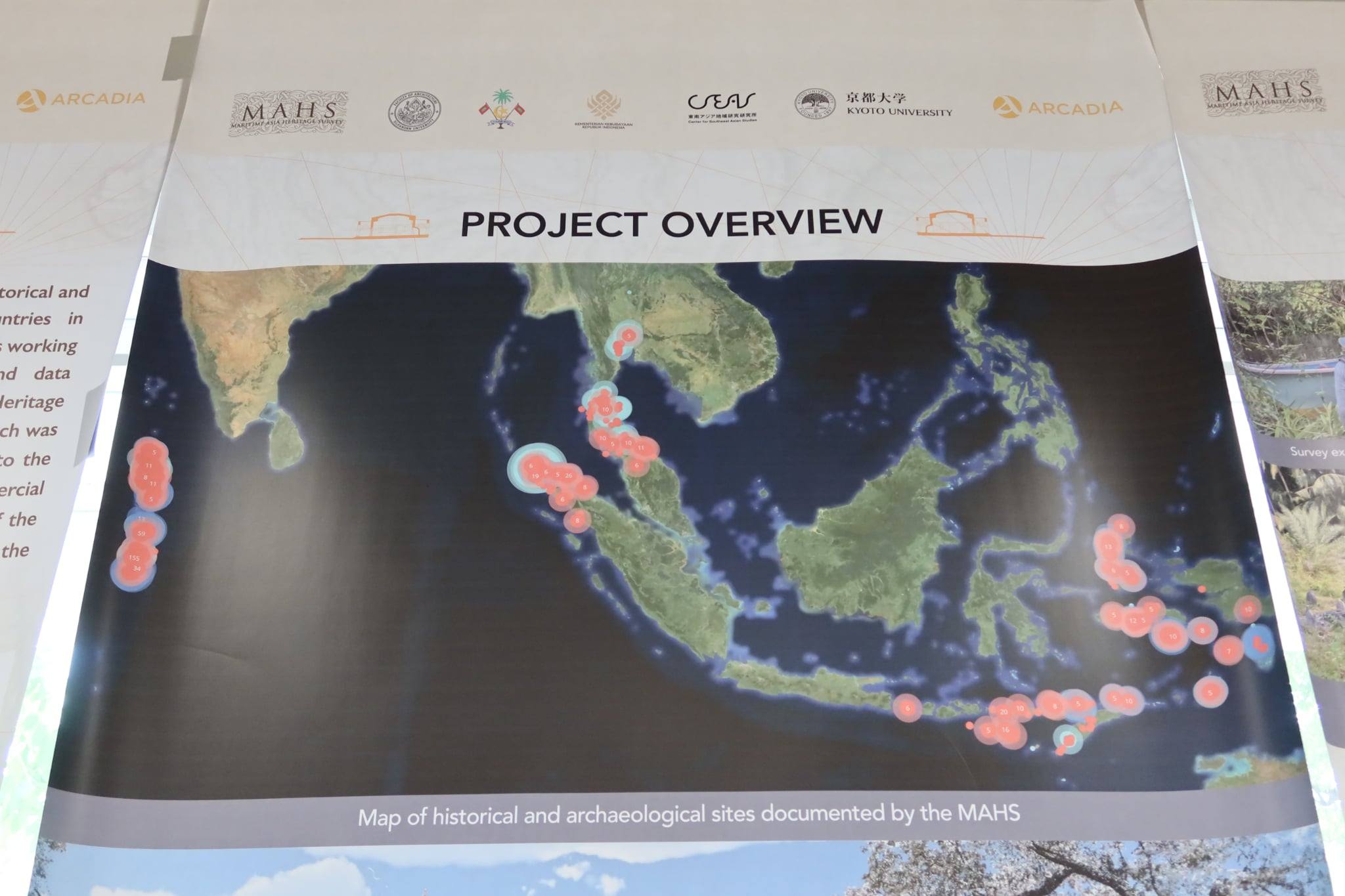
The MAHS is based at Kyoto University's Center for Southeast Asian Studies (CSEAS) and is supported by the Arcadia Fund. The project conducts primary field survey work in the Maldives, Indonesia, and Thailand, creating and expanding an open-access digital repository of multimedia heritage records enhanced with customized web-based resources. The resulting databases will be transferred to the respective source countries and preserved for in-depth research and further development at Kyoto University, the University of Oxford, and Silpakorn University.
The MAHS builds upon the Maldives Heritage Survey pilot project, which was based at the Oxford Centre for Islamic Studies from 2017 to 2020, before being launched in 2020 at Kyoto University's Center for Southeast Asian Studies. To document endangered heritage, MAHS field teams employ digital technologies including GPS/RTK mapping, digital photography, video, CAD drawings, IIIF-standard manuscript digitizations, as well as aerial and terrestrial LiDAR, to produce robust records for the benefit of historians, local communities, and heritage management professionals. All records and digital heritage assets produced by the MAHS are made openly available online and permanently archived in the digital repositories of Kyoto University and the Bodleian Library's Oxford Research Archive.
Professor Dr. Thanaseth Ngaohiranpat, President of Silpakorn University, stated that the exhibition represents a concrete outcome of years of dedicated collaboration between faculty, researchers, and students of Silpakorn University and researchers and surveyors from the Center for Southeast Asian Studies at Kyoto University, who conducted fieldwork in the Maldives, Indonesia, and Thailand. The Thai component was made possible through a Memorandum of Understanding signed between the two institutions.
"Years of intensive fieldwork reflect a network of genuine intellectual commitment, dedicated to the study and documentation of Asia's maritime heritage, which faces considerable challenges today. By integrating knowledge and technology to build a cultural heritage database of regional significance, the project is especially timely as the world confronts climate change, rising sea levels, and development pressures threatening archaeological sites. The project also strengthens the capacity of Thai researchers and opens opportunities to survey important areas that have never been systematically studied, particularly the lower southern region, home to a rich and complex cultural landscape, while advancing knowledge to an international level," the President stated.
"This project therefore serves as a vital knowledge base for humanity, providing the foundations needed to address challenges posed by environmental degradation, heritage-unaware development, and other ever-present threats. By safeguarding the cultural evidence of human civilization, it creates a record for all of humanity to preserve cultural heritage at risk in the modern world. This collaboration enables Thailand to develop knowledge and technology, leading to the systematic and long-term conservation of globally significant sites," he added.
Professor R. Michael Feener, PI and Director of the Maritime Asia Heritage Survey, is Professor of Cross-Regional Studies at the Kyoto University Center for Southeast Asian Studies, and is also currently a Senior Associate of the Melbourne Law School's Centre for Indonesian Law, Islam and Society, and an Associate Member of the History Faculty at the University of Oxford.
Professor Feener noted that the MAHS is a large-scale research collaboration operating across three countries, the Maldives, Indonesia, and Thailand, employing an interdisciplinary approach that integrates advanced technology with archaeological field surveys to build an open-access database on cultural heritage across Maritime Asia. In Thailand, the MAHS works in partnership with the Faculty of Architecture at Silpakorn University, with field teams employing a combination of cutting-edge technologies and traditional survey work to produce records for an open-access online database of the diverse and distinctive cultures and histories of the region, and to securely archive that information for future generations.
"What we are doing is not merely data collection, it is the creation of new methods for understanding the past, through the fusion of modern technology and on-the-ground fieldwork. The project began in the Maldives before expanding to other countries, including Thailand, where Associate Professor Dr. Kreangkrai Kirdsiri of the Faculty of Architecture, Silpakorn University, has led long-term field surveys over three years across sites physically and culturally connected to the ocean, tracing the movement of peoples who carried with them cultures and economies tied to oceanic trade networks, settling along coastlines and extending connections into mainland Southeast Asia," Professor Feener said.
Professor Feener further noted that the findings reveal how, prior to the formation of modern nation-states, Maritime Asia was intricately interconnected across dimensions of trade, religion, and culture. A significant transition was identified from medieval maritime trade networks driven by Buddhist merchants to networks increasingly shaped by Islamic influence in the early modern period. Evidence of cross-regional connections was also found, for instance, Dvaravati-period Buddhist art in Nakhon Pathom bearing striking similarities to artifacts from the Maldives, suggesting cultural ties spanning more than a millennium.
Another key finding concerns cultural fluidity in Thailand's three southernmost border provinces, where surveys revealed that historical communities blended multiple ethnic groups, Thai Buddhists, Chinese, and Malay Muslims, producing a cultural landscape that was constantly evolving rather than fixed or static.
"What we see is that culture is dynamic, it blends and leaves traces in art, language, and ways of life, proving that the sea is not a boundary between peoples but a space of civilizational connection. Maritime Asia was profoundly interconnected long before the age of nation-states. Culture never stood still; it flowed and fused continuously. And documenting it today means preserving the world's heritage for the future. In terms of fieldwork process, the surveys were highly challenging, teams worked in remote areas without electricity or internet, sometimes traveling by small boats, sleeping in forests, caves, or temporary shelters, equipped with survival gear including water filtration systems and first-aid kits. At the same time, technologies such as LiDAR and photogrammetry were deployed to detect ancient sites concealed beneath dense forest cover, revealing evidence that had never previously been recorded," Professor Feener emphasized.
Associate Professor Dr. Kreangkrai Kirdsiri, Deputy Dean for Planning, Research, Special Affairs and Quality Assurance at the Faculty of Architecture, and Dr. Isarachai Buranaut, Deputy Dean for Academic Afaais, Faculty of Decorative Arts, Silpakorn University, both are the country representative and researcher on the project, recounted how the collaboration came about: three years ago, he took the initiative to write to Professor Feener expressing interest in joining the network and invited him to expand the project to Thailand, a country that had not originally been part of the plan. Upon visiting Thailand and conducting field surveys across sites in both the Central and Southern regions, the project's Principal Investigator recognized the significant research potential and the urgent need to document Thailand's cultural heritage, particularly its vernacular cultural heritage and architecture, and decided to formally include Thailand as part of this global research network.
As part of this collaboration, master's and doctoral students from the Faculty of Architecture were recruited as field researchers for the project, gaining deep expertise through engagement with a world-class initiative and representing a meaningful contribution to national human resource development. CSEAS is also home to a Digital Heritage Documentation Lab set up by Professor Feener to facilitate the work of the MAHS. Kyoto University has brought cutting-edge technology survey equipment, including 3D Laser Scanners, Drones, and LiDAR technology, for use in the research, with knowledge transfer and equipment to be handed over for continued use in the International Programme in Architectural Heritage Management, Creative Industries and Tourism, which houses the Excellence Centre for Integrated Research of World Heritage, Creative City and Historic Urban Landscape in Southeast Asia (IWCH) at Silpakorn University, for ongoing teaching, research, and future collaborative projects.
This survey project therefore delivers value not only to society and the international community by safeguarding vital knowledge of human civilization from the manifold challenges of the present, with the aspiration that such knowledge will be further studied and applied across multiple dimensions. At the same time, it develops national human capital through international collaborative research, advances cutting-edge technology in education and research, and creates a global collaboration platform linking leading scholars, experts, researchers, students, and local communities, all united in the shared mission to sustainably preserve the value, significance, and knowledge of cultural heritage for generations to come.
ข่าวภาษาอังกฤษ / English Version
https://www.bangkoklifenews.com/17486070/20260413mahs
.
.......................................................................................................................
「Maritime Asia Heritage」展、海を越えた文明ネットワークを読み解く
Silpakorn UniversityとKyoto Universityが「Maritime Asia Heritage」展を公開し、国家成立以前から海が人々・文化・宗教を結びつけてきた空間であったことを明らかにするとともに、3か国にわたるフィールド調査による新たなデータベースを発表した。
Silpakorn UniversityはKyoto Universityとの協力のもと、「Heritage Documentation and Historical Interpretation: New Findings from Maritime Asia」展を開幕した。本展示はMaritime Asia Heritage Survey(MAHS)プロジェクトの一環として実施され、Silpakorn University Faculty of Architecture内のPhra Phrom Phijit Art Gallery(Wang Tha Phra Campus)にて2026年4月9日から18日まで開催されている。
展示では、海と結びついた文化遺産に関するフィールド調査およびデジタル記録の成果が紹介されており、現代技術を用いた歴史解釈と調査成果の集大成となっている。
MAHSはKyoto UniversityのCenter for Southeast Asian Studies(CSEAS)を拠点とし、Arcadia Fundの支援を受けている。プロジェクトはMaldives、Indonesia、Thailandにおいて現地調査を行い、マルチメディアによる文化遺産記録を統合したオープンアクセスのデジタルデータベースを構築・拡張している。これらのデータは各国へ移管されるとともに、Kyoto University、University of Oxford、Silpakorn Universityにおいて研究・発展のため保存される。
本プロジェクトは、Oxford Centre for Islamic Studiesを拠点として2017年から2020年に実施されたMaldives Heritage Surveyを基盤としており、2020年にKyoto Universityで本格始動した。文化遺産の記録においては、GPS/RTK測量、デジタル写真、映像、CAD図面、IIIF規格による写本デジタル化、さらに空中および地上LiDARなどの技術を活用し、高精度な記録を作成している。これらのデータはオンラインで公開され、Kyoto UniversityおよびBodleian LibraryのOxford Research Archiveに恒久保存されている。
Silpakorn University学長のProfessor Dr. Thanaseth Ngaohiranpatは、本展示が両大学の教員・研究者・学生による長年の協力の成果であり、Maldives、Indonesia、Thailandでのフィールド調査によって実現したと述べた。また、両機関間の覚書(MOU)によりThailandでの研究が可能となったと説明した。
同氏は「長年にわたる集中的なフィールドワークは、アジアの海洋文化遺産の研究と記録に対する強い知的コミットメントを示している。気候変動や海面上昇、開発圧力といった課題に直面する現在、本プロジェクトは極めて重要な意義を持つ」と述べ、さらに「タイの研究者の能力向上や、これまで体系的に調査されてこなかった南部地域の重要な文化景観の解明にもつながる」と強調した。
また、「本プロジェクトは人類にとって重要な知識基盤となり、環境劣化や文化遺産を考慮しない開発などの課題に対応する基礎を提供する。文化遺産を守ることで、人類共通の記録を未来へ残す」と述べた。
Maritime Asia Heritage SurveyのPI兼DirectorであるProfessor R. Michael Feenerは、Kyoto University Center for Southeast Asian Studiesの教授であり、Melbourne Law SchoolおよびUniversity of Oxfordにも所属している。
同氏は、MAHSがMaldives、Indonesia、Thailandの3か国で展開される大規模な国際共同研究であり、考古学調査と先端技術を融合した学際的手法により、Maritime Asiaの文化遺産に関するオープンアクセスデータベースを構築していると述べた。ThailandではSilpakorn University Faculty of Architectureと連携し、地域の多様な文化と歴史を記録・保存している。
さらに「本プロジェクトは単なるデータ収集ではなく、技術と現地調査の融合による新たな歴史理解の方法の創出である」と述べ、調査はMaldivesから始まりThailandへと拡大し、Associate Professor Dr. Kreangkrai Kirdsiriが3年間にわたり海と関わる文化遺産の調査を主導したと説明した。
調査結果からは、近代国家成立以前のMaritime Asiaが交易・宗教・文化において密接に結びついていたことが明らかとなった。また、中世の仏教商人による交易ネットワークから、近世にかけてイスラムの影響を受けたネットワークへと移行したことも確認された。さらに、Nakhon PathomのDvaravati時代の仏教美術とMaldivesの遺物の類似性など、千年以上にわたる文化的つながりも示された。
Thailand南部の3県では、仏教徒、華人、マレー系ムスリムが融合した流動的な文化が確認され、固定的ではない多様な文化景観が形成されていたことも重要な発見とされる。
Feenerは「文化は常に動的であり、海は境界ではなく文明を結ぶ空間である」と強調し、調査では電気やインターネットのない地域での活動や、森林や洞窟での滞在など厳しい環境下で実施されたと述べた。また、LiDARやフォトグラメトリにより、これまで未記録だった遺跡の発見にも成功したとした。
本プロジェクトには、Silpakorn UniversityのFaculty of ArchitectureおよびFaculty of Decorative Artsの研究者も参加しており、3年前に共同研究が開始された経緯が紹介された。
さらに、大学院生がフィールド研究に参加し、国際共同研究を通じて高度な専門知識を習得している。Kyoto Universityは3D Laser Scanner、Drone、LiDARなどの先端機器を提供し、これらはSilpakorn Universityの教育・研究に活用される予定である。
本プロジェクトは、文化遺産の保存のみならず、人材育成、教育研究の高度化、国際的な研究ネットワークの構築にも寄与し、持続可能な文化遺産の保全に向けた基盤を築くものと期待されている。
.
ข่าวภาษาญี่ปุน / Japanese Version
https://www.bangkoklifenews.com/17486167/20260413mahs-jp
.
ขอขอบคุณ
https://www.facebook.com/bangkoklifenews
๑๗ เมษา ๖๙ ๒๒๒๒ น
บ้านท่าวัง สะพานควาย กทม
https://www.facebook.com/photo/?fbid=2079944056234039&set=pcb.2079944292900682
บทความล่าสุด


Related Articles
