


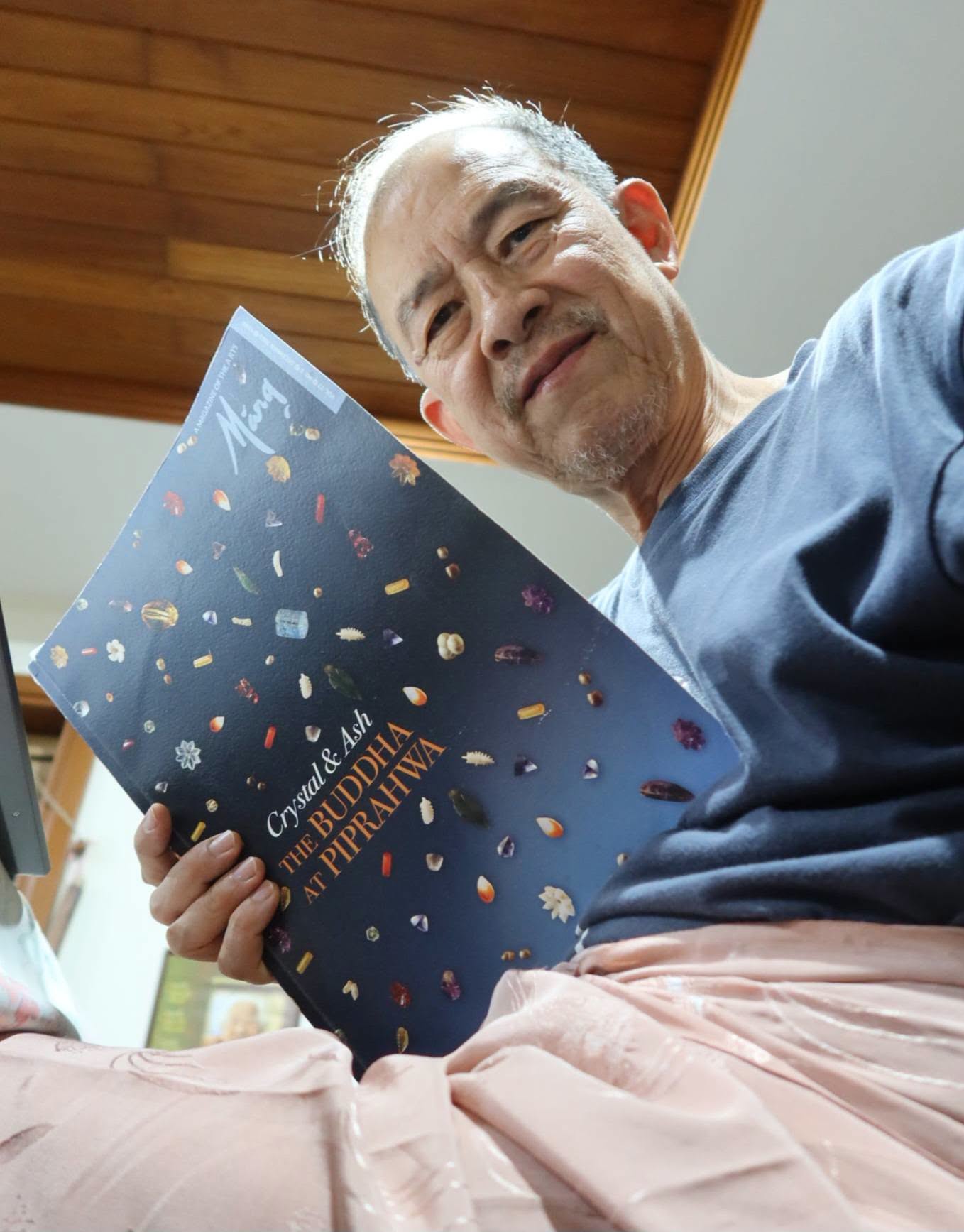
20260627_5 อ่านนี้เพิ่งจบ ... ที่อินเดียถือเป็นอีกหมุดหมายสำคัญของทั้งชาติ TheJoyousDayOfAllIndian
อ่านนี้เพิ่งจบ ... ที่อินเดียถือเป็นอีกหมุดหมายสำคัญของทั้งชาติ
TheJoyousDayOfAllIndian
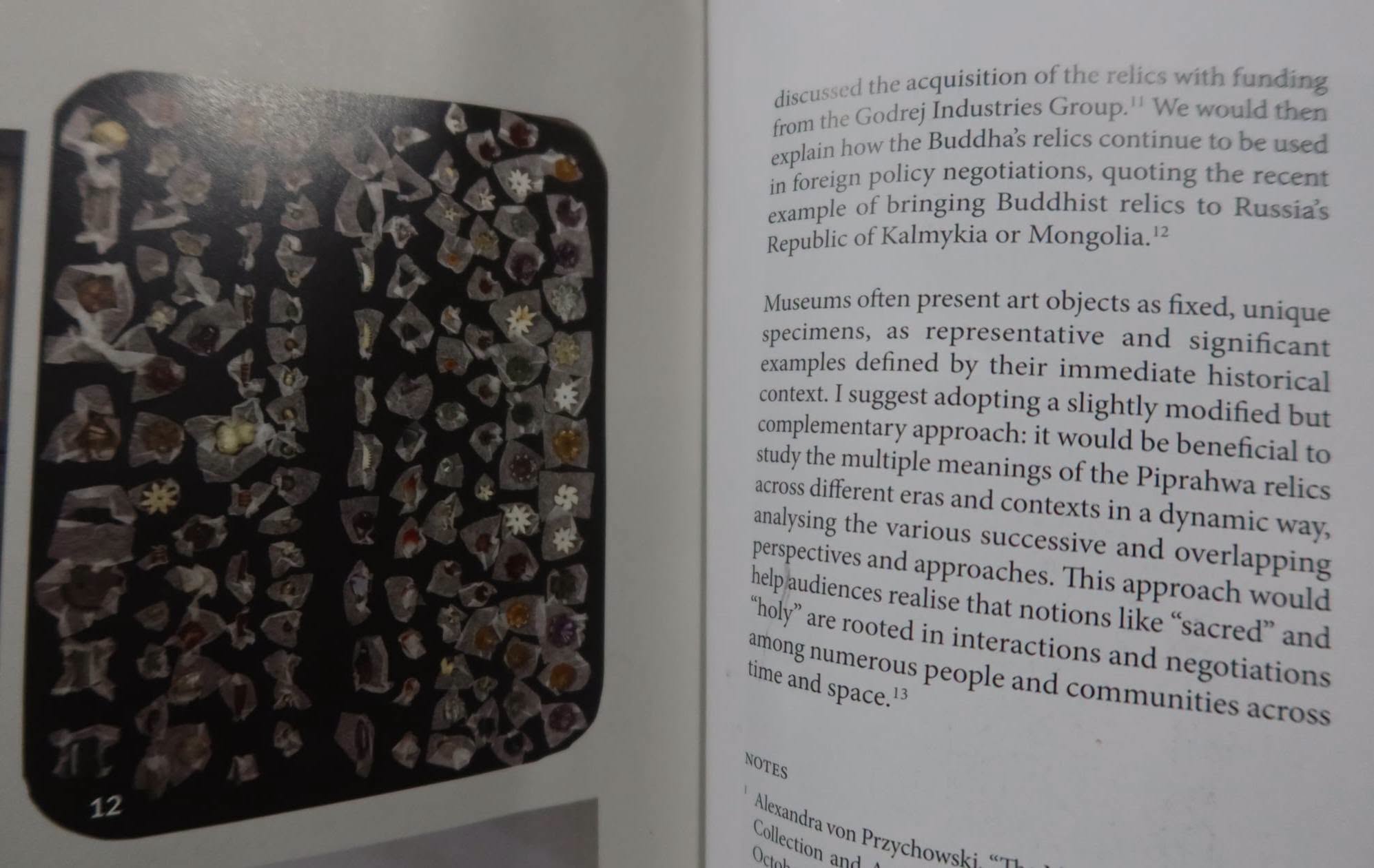
(20260627_5 รอยลูกปัด)
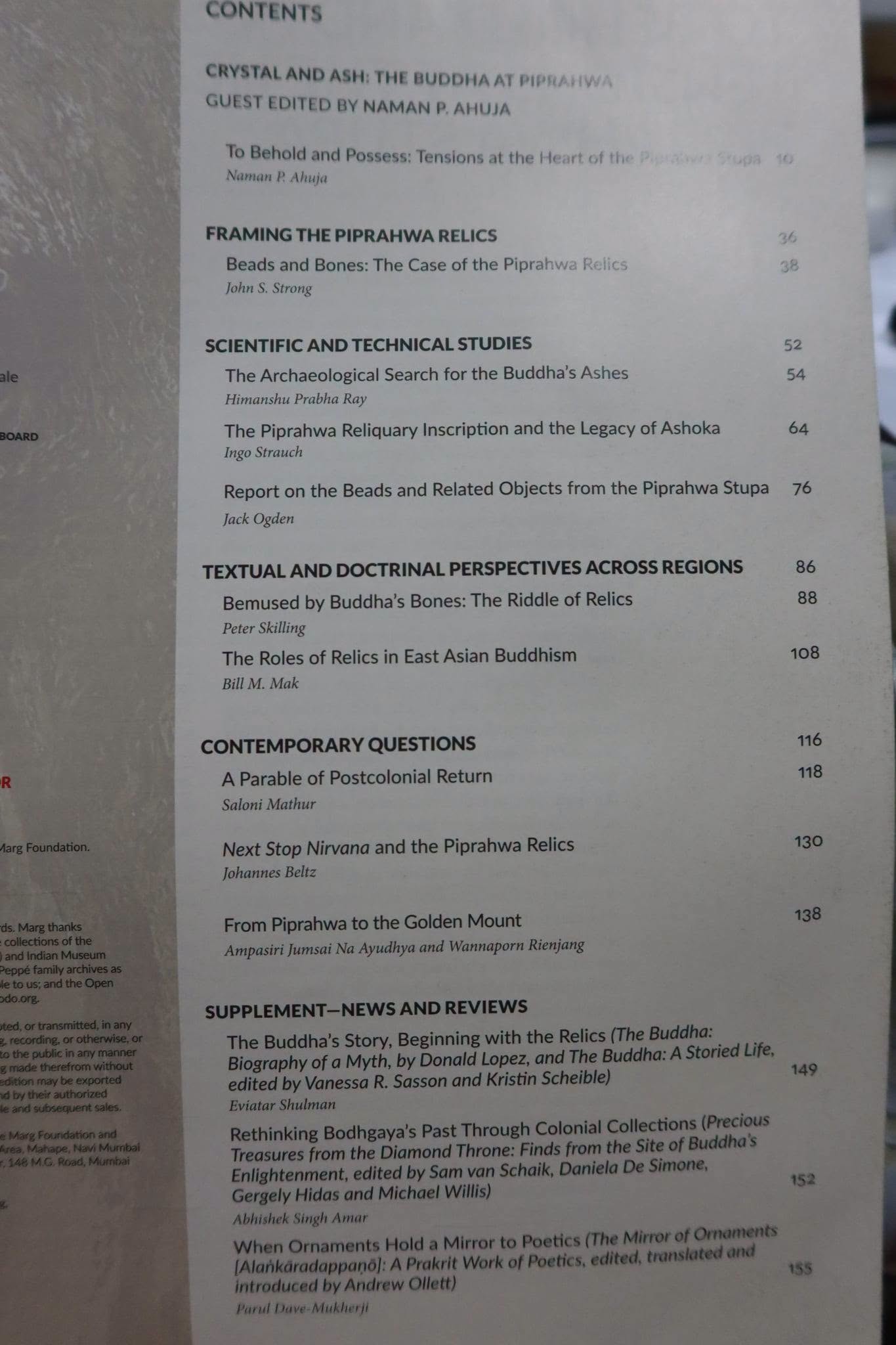
พอดีหนึ่งในผู้เขียน นส.เล่มนี้ นำมามอบให้ไว้อีกเล่ม
และเมื่อวานนำไปให้คณะที่ มอ.ได้ดูกัน
สองคืนมานี้จึงลุยอ่านต่อจนจบเมื่อเช้า
เนื่องจากหลายอย่างที่พบพร้อมนี้ที่ #กบิลพัสดุ์
เหมือนมากกับที่พบที่ #คอคอดกระ
ขนาดที่หนึ่งในนักวิชาการผู้ศึกษานี้ นาม #HarryFalk เสนอว่า
อาจเป็นไปได้ที่ของที่พบในสถูปกบิลพัสดุ์
อาจจะผลิตส่งไปจากคอคอดกระที่ #เขาสามแก้ว
ตั่งแต่สมัย #พระเจ้าอโศกมหาราช แล้ว !!!
สำหรับการพบที่กบิลพัสดุ์ชุดนี้เมื่อกว่า ๑๐๐ ปีก่อน
รายงานว่าพบรวมกันถึง ๑๘๐๐ เม็ด
ส่วนใหญ่ส่งมอบรักษาไว้ที่ #พิพิธภัณฑ์อินเดีย ที่ #โกลกัตตา
ซึ่งไม่เคยนำออกมาแสดงที่ไหน มีอะไร อย่างไรบ้าง
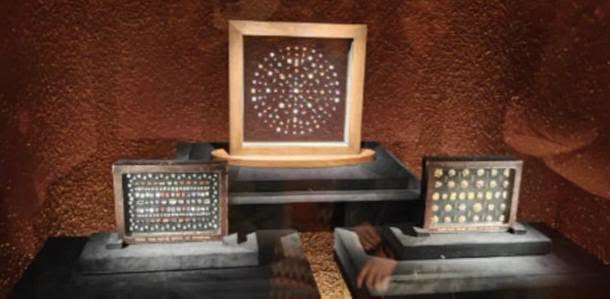
ส่วน ๓๓๔ เม็ดใน ๓ กล่องนี้
คือที่เปปเป้ผู้ขุดพบ ขอเลือกที่ซ้ำ ๆ ไว้เป็นที่ระลึกเท่านี้
โดยได้นำออกจากอินเดียไปไว้ที่อังกฤษ
ต่อมาทายาทเอาไปอเมริกา
และตั้ง #PiprahwaProject
เชิญชวนนักวิชาการมาศึกษา พร้อมกับให้หลายสถาบันและพิพิธภัณฑ์นำไปจัดแสดง
ข่าวตอนแรกบอกว่าอาจอุทิศให้องค์กรที่เหมาะสม
จนเกิดกระแสการศึกษาและแสดงกันยกใหญ่
ทั้งในยุโรป อเมริกา มาถึงสิงคโปร์ และเกาหลี
เคยมีแวดวงวิชาการแนะนำให้ผมประสานมาจัดแสดงที่เมืองไทย
แต่ผมเห็นว่าไม่ใช่หน้าที่ของผม
จนปีที่แล้ว เกิดความตื่นตะลึงในทุกวงการ
โดยเฉพาะวิชาการและพิพิธภัณฑ์
ที่จู่ ๆ #Sotheby ที่ฮ่องกงก็ประกาศการประมูลนี้
ที่ครอบครัวเปปเป้มอบหมายคือว่าจ้าง
แถมจะประมูลในวันวิสาขะปีที่แล้วเสียด้วย
ด้วยราคาตั้งต้นที่ ๑๓ ล้านเหรียญสหรัฐ
หรือถ้าเป็นไทย ก็ ๔๓๓.๙ ล้านบาท
หากหารเฉลี่ยก็เม็ดละกว่าล้านบาท
งานนี้ อ Pipad Krajaejun กับเพื่อนนักวิชาการโลกที่ #SOAS ลอนดอน
เริ่มออกบทความทัดทานว่าไม่เหมาะสม
จนก่อนหน้าการประมูลไม่กี่วัน รัฐบาลอินเดียก็ออกแถลงการณ์คัดค้าน
ว่านี้คือ #มรดกแห่งอินเดีย ที่สำคัญอันไม่ควรมีการประมูล
จน Sotheby ประกาศเลื่อนการประมูลไม่มีกำหนด
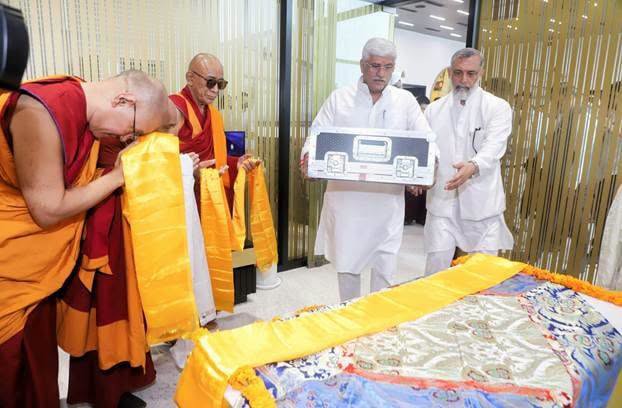
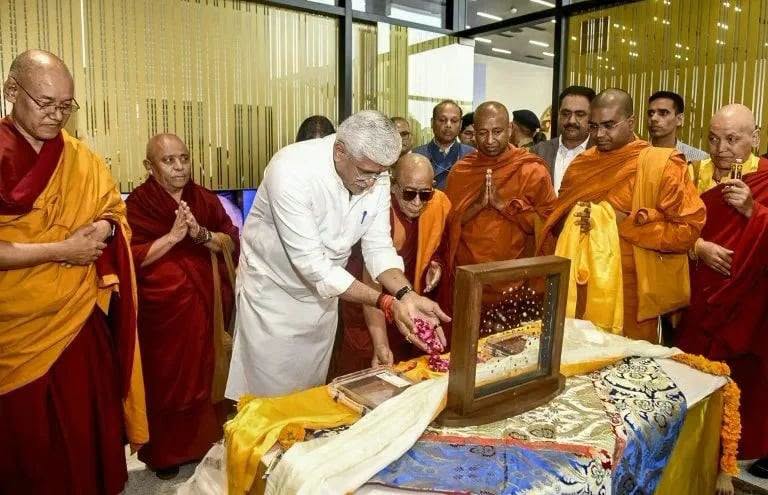
จนวันที่ ๓๐ กรกฎาที่ผ่านมา รัฐบาลอินเดียออกประกาศการรับกลับอินเดีย
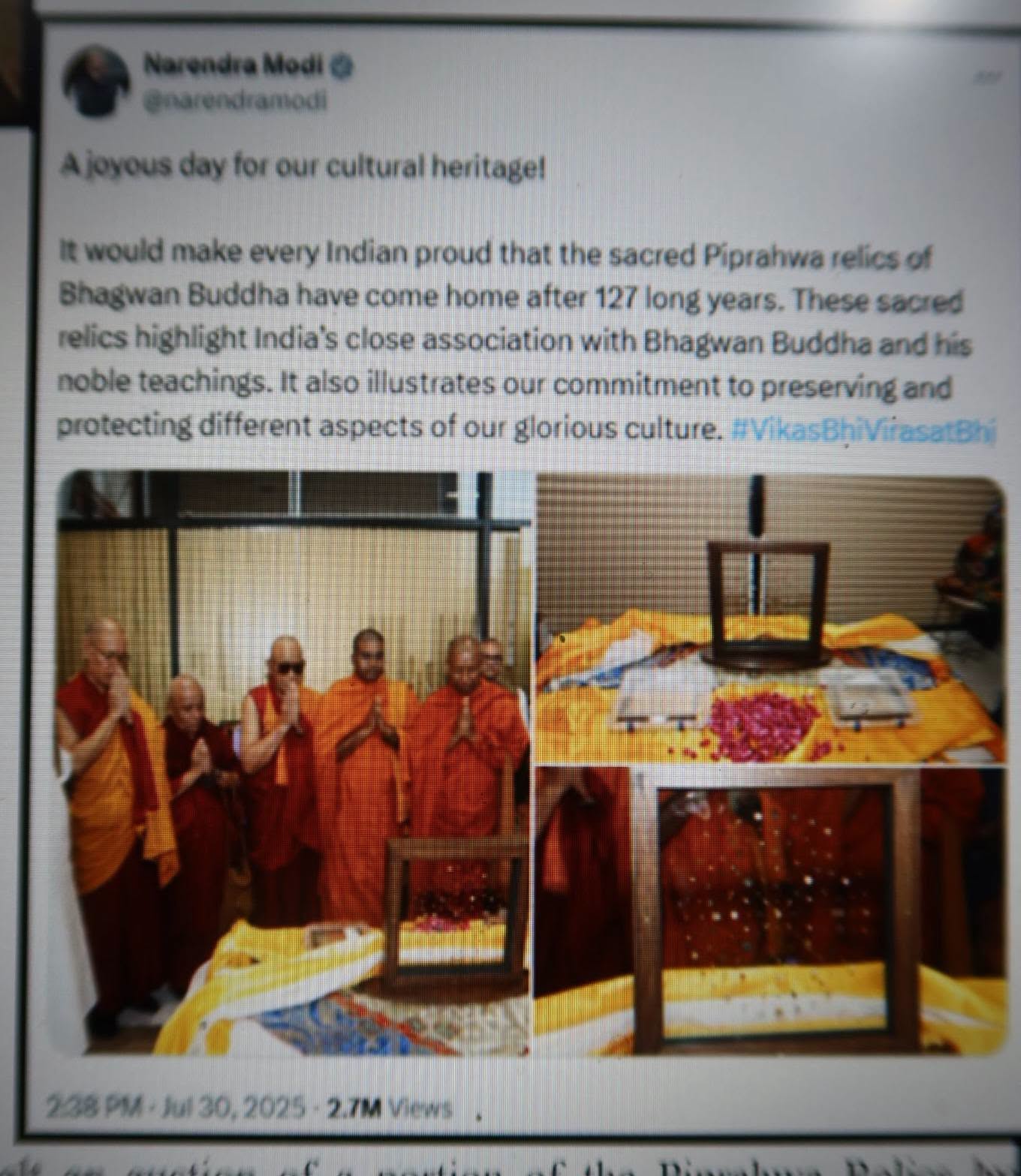
นายกรัฐมนตรี Narendra Modi โพสต์ว่าเป็นวันแห่งความยินดีของชาติ
ต่อมามีการจัดแสดงที่นครเดลีจนถึงทุกวันนี้
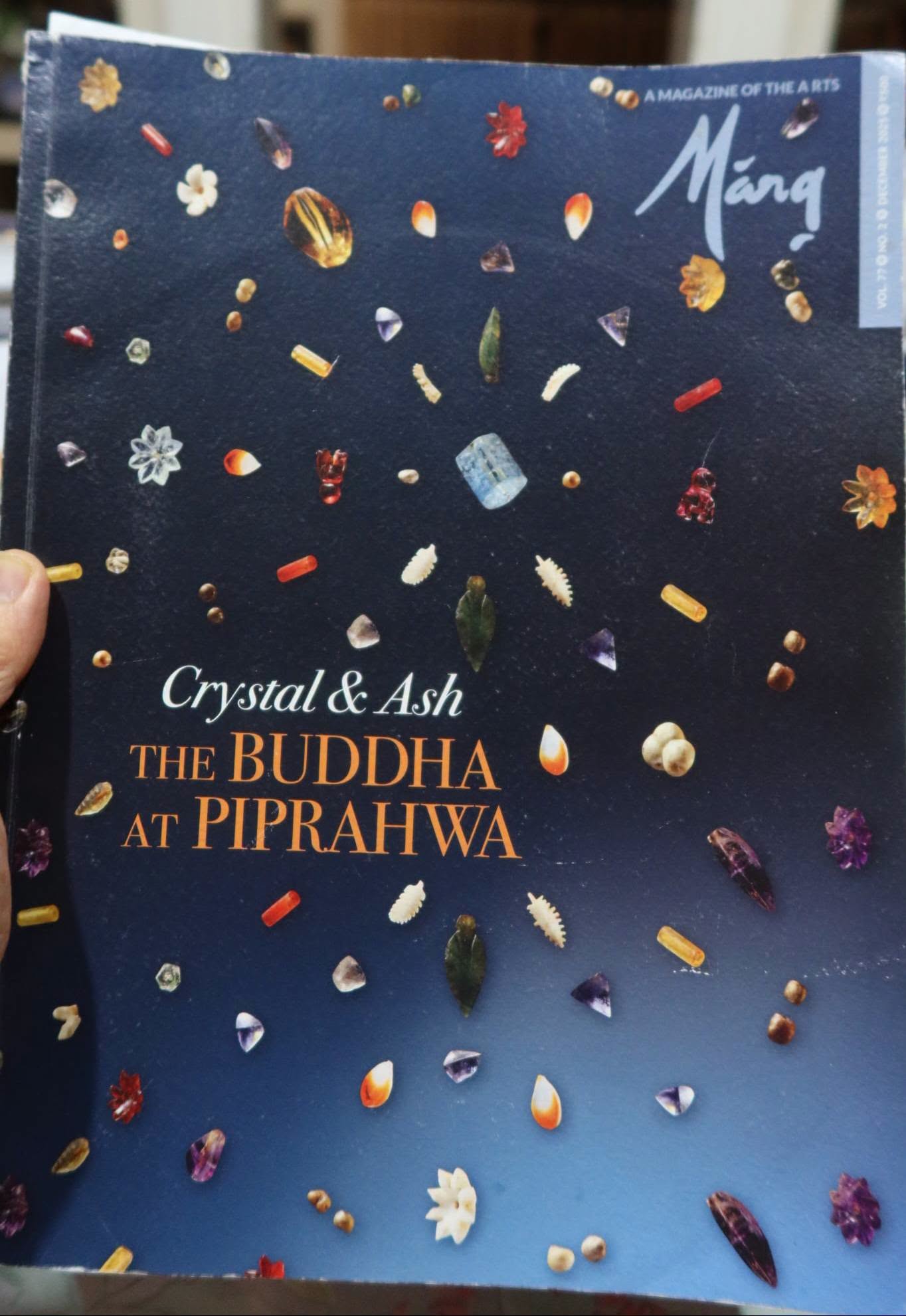
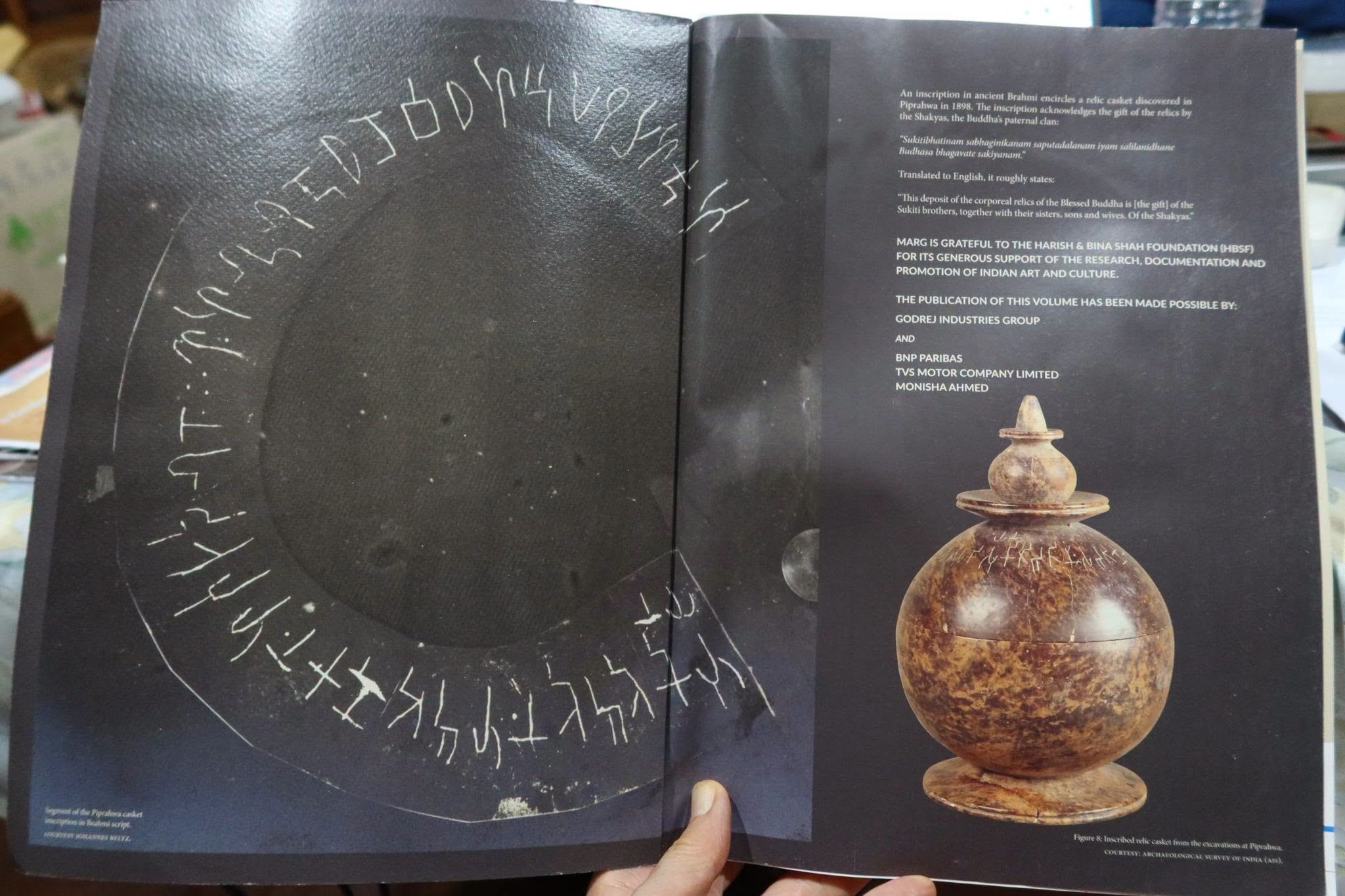
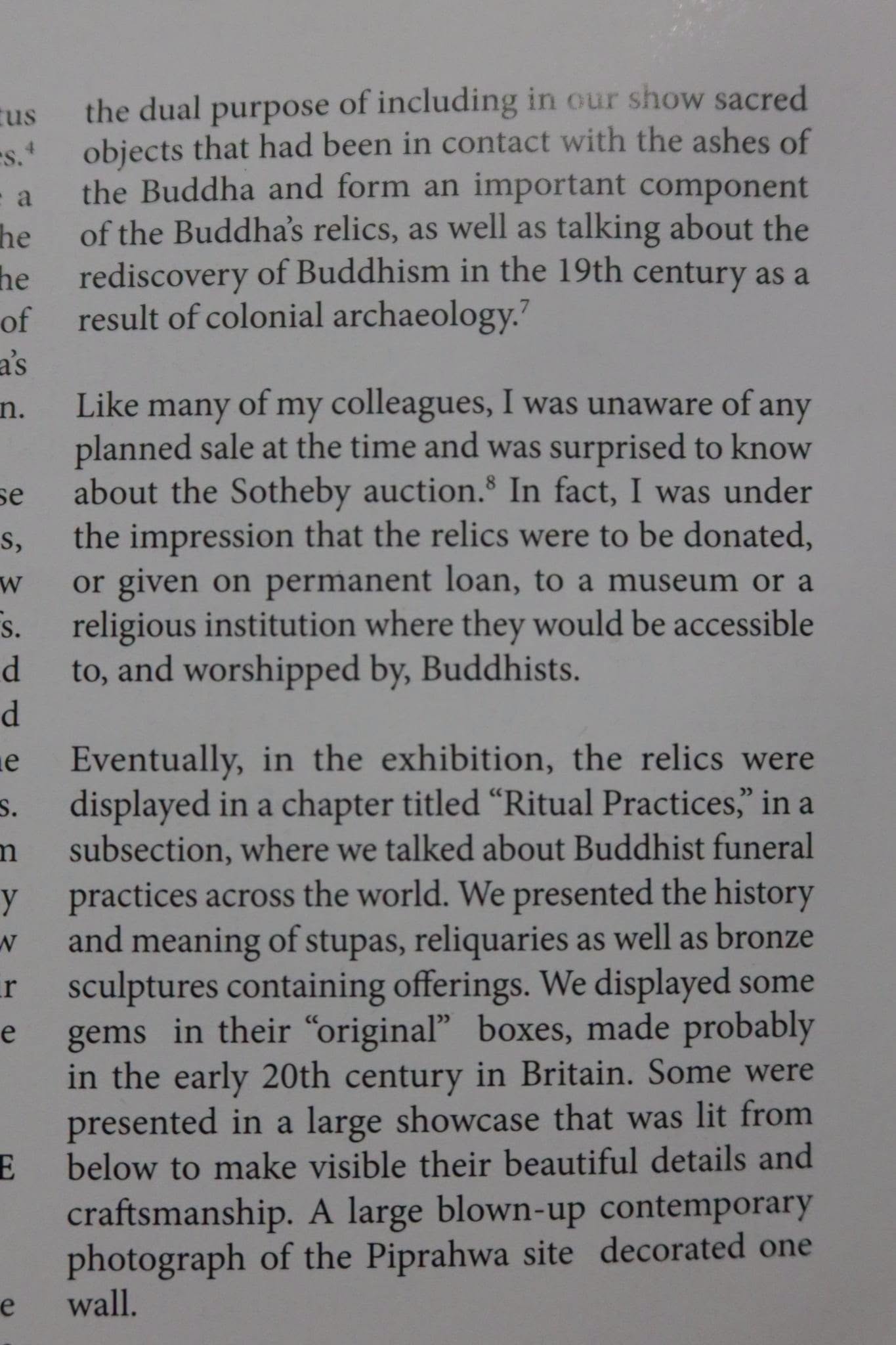
มีหนังสือนี้ออกมาอย่างงาม
มีสามนักวิชาการไทยร่วมเขียน ผมรู้จัก ๒ ท่าน
เท่าที่ตามอ่านในนี้และที่ต่าง ๆ พอสรุปได้ดังนี้
๑) อินเดียถือเป็นหนึ่งในหลักฐานสำคัญของชาติที่ต้องเอากลับคืนประเทศ
ไม่เช่นนั้นอาจไปตกอยู่กับใครที่ไหน
โดยเฉพาะอาจเป็นจีน ที่อินเดียควรยอมไม่ได้
๒) เกิดเป็นปฏิบัติการครั้งสำคัญของชาติที่ภาคเอกชน คือบรรษัท Godrej Industrial Group
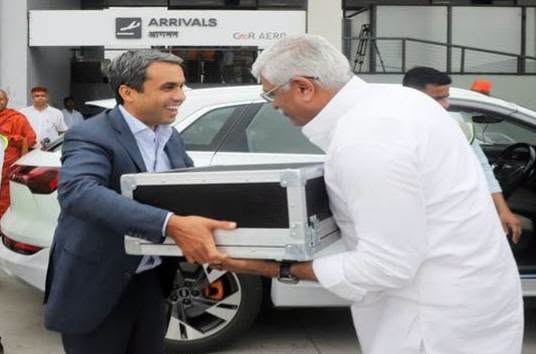
รับเป็นฝ่ายเจรจาซื้อจาก Sotheby
ในราคาที่ไม่เปิดเผย แล้วให้รัฐบาลอินเดียยืมจัดแสดงอย่างไม่มีกำหนด
โดยในข่าวเดียวกันนั้นมีการโปรยว่าราคาอาจถึง ๑๐๐ ล้านเหรียญ
ถ้าสหรัฐ คือ ๓,๓๓๐ ล้านบาท ซึ่งผมไม่คิดว่าจะถึง
แต่น่าจะเกินกว่า ๑๓/๔๓๔ ล้าน ตามวิสัยของ Sotheby
๓) เขาลงท้ายข่าวไว้ว่า สำหรับอินเดียแล้ว นี้มิใช่การกอบกู้วัตถุวัฒนธรรมของชาติ
แต่คือการกอบกู้ความทรงจำ ปรัชญา อัตลักษณ์ และศักดิ์ศรีแห่งชาติไว้
ทำให้ผมนึกถึงเมื่อครั้งที่ท่านผู้ว่ารัฐพิหาร
เห็นวงแหวนแห่งโมริยะที่พบที่เขาสามแก้วเบื้องหน้าท่านแล้วอึ้งอยู่พักใหญ่
ฝ่กนี้ถึงพี่น้องที่จะออกแบบพิพิธภัณฑ์สุวรรณภูมิที่ มอ.
ประกอบการพิจารณาด้งยนะครับผม
Pongthep Sutheravut Pawat Rawdkhem Anchalee Thongkong Thip Srisakulchairak Pairot Singbun
นี้ครับ เนื้อข่าวของอินเดียเมื่อครั้งนั้น ...
# The Godrej Industries Group successfully partnered with the Government of India to repatriate the sacred Piprahwa Relics of Lord Buddha, preventing them from being auctioned in Hong Kong. This acquisition secures these ancient, culturally significant treasures for permanent public display in India
# Sacred Piprahwa Relics of Lord Buddha Return Home to India
Government of India and Godrej Industries Group Join Hands to Secure and Repatriate Revered Buddhist Relics
प्रविष्टि तिथि: 30 JUL 2025 7:24PM by PIB Delhi
The Ministry of Culture, Government of India, proudly announces the historic return of the sacred Piprahwa relics of Lord Buddha to their rightful home in India. This momentous repatriation has been made possible through an exemplary public-private partnership between the Government of India and the Godrej Industries Group.
Relics of Immense Spiritual and Historical Significance
The Piprahwa relics, discovered in 1898 by British civil engineer William Claxton Peppé in Piprahwa, Uttar Pradesh, are believed to be associated with the mortal remains of Lord Buddha. Enshrined by His followers around the 3rd century BCE, these relics have long held immense spiritual value for the global Buddhist community and represent one of the most important archaeological discoveries in India’s history.
Timely Intervention Prevents Auction in Hong Kong
Originally slated for auction in Hong Kong in May 2025, the sacred artefacts were successfully secured by the Ministry of Culture through decisive intervention, reflecting the Government’s unwavering commitment to preserving India’s cultural and spiritual heritage.
Union Culture Minister Lauds PM Modi’s Vision
Speaking on the occasion, Union Minister of Culture Shri Gajendra Singh Shekhawat stated: “The return of the Piprahwa Gems is a matter of great pride for every Indian. This is one of the most significant instances of repatriation of our lost heritage and would not have been possible without the vision and initiative of our Prime Minister Shri Narendra Modi.”
Corporate Commitment to Cultural Legacy
Pirojsha Godrej, Executive Vice Chairperson of Godrej Industries Group, remarked: “We are deeply honored to contribute to this historic moment. The Piprahwa gems are not just artefacts—they are timeless symbols of peace, compassion, and the shared heritage of humanity. Our partnership with the Government of India reflects our deep commitment to preserving cultural legacies for future generations.”
A Model of Cultural Cooperation
This successful repatriation sets a benchmark in cultural diplomacy and collaboration, showcasing how strategic partnerships between public institutions and private enterprise can protect and preserve global heritage.
Upcoming Public Display Ceremony
The sacred Piprahwa relics will be formally unveiled during a special ceremony and placed on public display, allowing citizens and global visitors to pay homage and witness these rare artefacts.
Strengthening India’s Role as Global Custodian of Heritage
This initiative aligns with Prime Minister Narendra Modi’s broader mission to reclaim and celebrate Bharat’s ancient cultural and spiritual heritage from across the world. The return of the Piprahwa Gems further reinforces India’s standing as a global guardian of peace, compassion, and the timeless values of the Buddha.
****
Sunil Kumar Tiwari
pibculture[at]gmail[dot]com
(रिलीज़ आईडी: 2150352) आगंतुक पटल : 10153
इस विज्ञप्ति को इन भाषाओं में पढ़ें: Urdu , हिन्दी
# Ancient Buddha relics returned to India after $13 million auction is canceled
The Indian government had earlier accused Sotheby’s of “continued colonial exploitation” by facilitating the now-canceled auction in May.on” by facilitating t
July 31, 2025, 1:22 PM GMT+7
By Mithil Aggarwal
HONG KONG — A collection of ancient gems linked to Buddha’s remains has been repatriated to India after authorities slammed their planned auction by Sotheby’s in Hong Kong.
“A joyous day for our cultural heritage!” Indian Prime Minister Narendra Modi said Wednesday on X.
The Piprahwa Gems were sold to the Indian conglomerate Godrej Industries Group, which will put the dazzling collection “on public display for years to come,” Sotheby’s said in a statement Thursday.
The auction house declined to reveal how much Godrej paid for the gems. “Due to the confidential nature of private sales, the final sale price will not be disclosed,” Sotheby’s told NBC News.
The 334 gems had been expected to net upward of 100 million Hong Kong dollars ($12.9 million) at auction.
Narendra Modi
Narendra Modi
A joyous day for our cultural heritage! It would make every Indian proud that the sacred Piprahwa relics of Bhagwan Buddha have come home after 127 long years. These sacred relics highlight India’s close association with Bhagwan Buddha and his noble teachings. It also Show more
The gemstones are part of a cache of more than 1,800 artifacts, mostly housed at the Indian Museum in Kolkata. Critics of the planned auction of the gems, which British colonial landowner William Claxton Peppé dug up on his northern Indian estate in 1898, said it was offensive to the world’s 500 million Buddhists and a violation of Indian and international law and United Nations conventions.
Many Buddhists believe the gemstones — named after the town in what is now the Indian state of Uttar Pradesh, where they were buried in a stupa, or funerary monument, around 200 to 240 B.C. — are imbued with the presence of Buddha, on top of whose cremated remains they were said to be enshrined.
“It would make every Indian proud that the sacred Piprahwa relics of Bhagwan Buddha have come home after 127 long years,” Modi said, referring to Buddha as a god in Hindi.
“These sacred relics highlight India’s close association with Bhagwan Buddha and his noble teachings,” he added.
Sotheby’s postponed the auction in May after the Indian government threatened legal action and demanded the gems’ repatriation.
The Indian government said at the time that Peppé’s great-grandson, Chris Peppé, a TV director and film editor based in Los Angeles, lacked the authority to sell the gems. New Delhi also accused Sotheby’s of “participating in continued colonial exploitation” by facilitating the sale and said the gems must be returned to India if Peppé no longer wished to be their custodian.
“I hope they will go to someone who really values them,” Peppé wrote in a February piece for Sotheby’s accompanying the auction catalogue.
MayThey were put on public exhibition in Hong Kong in the days leading up to the auction in three glass cases, containing shimmering penny-sized silver and gold-leaf stars embossed with symbols. They also include pearls, beads and flowers cut from precious stones, including amethyst, topaz, garnet, coral and crystal.
Sotheby’s later announced the auction had been postponed “with the agreement of the consignors,” three descendants of the British colonial landowner who excavated them.
On Thursday, the auction house said it had “facilitated the return” of the gems to India, thanking the Peppé family.
“This completes our active search over the past two months to identify the best possible custodian for the Gems,” Sotheby’s said.
Buddha's Relics, $100 Million: How India Brought Back Jewels From Hong Kong
Called the Piprahwa Relics, these are an exceptional collection that embodies the legacy of Lord Buddha and signifies a pivotal moment in the journey of cultural repatriation.
- Reported by:Pallava Bagla
- India News
- Jan 30, 2026 12:03 pm IST
# Buddha's Relics, $100 Million: How India Brought Back Jewels From Hong Kong
Called the Piprahwa Relics, these are an exceptional collection that embodies the legacy of Lord Buddha and signifies a pivotal moment in the journey of cultural repatriation.
- Reported by:Pallava Bagla
- India News
- Jan 30, 2026 12:03 pm IST
- Published OnJan 30, 2026 12:03 pm IST
- Last Updated OnJan 30, 2026 12:03 pm IST
Read Time:8 mins
Share
The mission marks India's first-ever public-private repatriation of antiquities.
In a dramatic chain of events unfolding across borders and time zones, India successfully halted the auction of extraordinarily rare jewels believed to be 2500 years old and intimately tied to the legacy of Lord Buddha. What began as a routine alert rapidly transformed into a diplomatic-legal thriller, the kind of nail-biting chase usually reserved for crime novels. But this time, the stakes were far higher: protecting fragments of India's civilisational soul.
Called the Piprahwa Relics, these are an exceptional collection that embodies the legacy of Lord Buddha and signifies a pivotal moment in the journey of cultural repatriation. For the first time after 127 years, the exhibition named 'The Light and the Lotus, Relics of the Awakened One' reunites a part of the Buddha's relic jewels taken to the United Kingdom during the colonial era with the Piprahwa bone relics of Lord Buddha, relic jewels, reliquaries, and carved stones. The return of the jewels to their rightful spiritual context after 127 years not only renews cultural and spiritual bonds within the country but also reconnects people worldwide with the living wisdom of the Buddha. Piprahwa is located close to Gorakhpur in UP.
The mission, described by officials as "an unprecedented cultural recovery operation", marks India's first-ever public-private repatriation of antiquities, a milestone highlighted by Vivek Aggarwal, Secretary, Ministry of Culture, GoI, New Delhi - a key figure in the rescue effort, who emphasised, "This is the very first public-private repatriation of jewels." His words capture the historic shift in how India is now mobilising diverse institutions and individuals to safeguard its civilisational heritage. The sacred Buddha relics were discovered in 1898 by William Claxton Peppe at the ancient stupa of Kapilavastu and in 2025 his great grandson put them up for auction at a base price of $100 million.
At the heart of the operation lay a straightforward but chilling fact: These jewels, miniature objects of devotion, ritual, and philosophical symbolism, were scheduled to go under the hammer in the international auction house Sotheby's Hong Kong. Had the gavel fallen, India's tangible link to early Buddhist civilization could have dispersed into anonymous private collections forever. Or the worst fear was that China may acquire them.
A Rescue Rooted In Philosophy, Not Just Law
What makes this mission stand apart is not merely its success, but the philosophical lens through which India framed its claim. Rather than approaching the case solely as a matter of ownership or property rights, Indian authorities anchored their arguments in the deeper ideological foundations of the Buddhist worldview, compassion, non-violence, the continuity of knowledge, and respect for sacred relics.
Officials argued that the jewels were not "objects" but living embodiments of a civilizational journey, tied to a philosophical tradition that has shaped India's identity for more than two millennia. By articulating this worldview in their representations to foreign authorities, India effectively shifted the conversation from commerce to conscience.
This soft-power strategy, rare in cases of international antiquity disputes, played a decisive role in freezing the auction and eventually facilitating the jewels' return.
The Antiquity That Changed Stakes
Savita Kumari, Associate Professor at the Indian Institute of Heritage and an expert from the National Museum, underscored the immense heritage value of the items.
"These jewels carry an antiquity stretching back 2500 years," she explains, noting that their age alone placed them among the earliest known ritual artefacts associated with the Buddhist world. For scholars of early Asian civilisation, this was an epoch-defining find.
Equally emphatic is Abira Bhattacharya, Deputy Curator, National Museum, New Delhi who described the jewels as "important relics for India, markers of a civilisational memory that transcends geography and political boundaries." Her assessment echoed the sentiment that the objects serve not only as archaeological evidence but as spiritual and philosophical touchstones.
The jewels' antiquity also meant that they would inevitably attract global interest, from private collectors, museums, and academic institutions. Their disappearance into private hands would have left irreversible gaps in India's cultural lineage.
A Crime Thriller In Real Life
While the philosophical argument formed the emotional core of India's approach, the operation itself unfolded like a crime thriller, complete with covert verification, rapid inter-agency coordination, and high-stakes communication with foreign legal systems.
At the operational centre of this drama was Aggarwal, whose extensive past experience in the Financial Intelligence Unit of the Ministry of Finance became invaluable. His familiarity with the shadowy pathways of illegal art trafficking, auction circuits, provenance loopholes, and emergency legal tools meant that India could move with speed and precision. The auction was scheduled for May 7 last year and it was fast paced action of legal notices, diplomatic arm twisting in the last 72 hours that finally stalled the auction.
Colleagues describe how he anticipated the possible detours and counter-moves that auction houses or private bidders might deploy. This insider understanding allowed India to neutralize loopholes quickly and establish a strong prima facie case.
It was, quite literally, a race against time, documents had to be filed within hours; authenticity had to be demonstrated across jurisdictions; and officials had to counter commercial arguments with a mix of heritage law and philosophical doctrine. Each stage bore the tension and unpredictability of a cinematic chase.
The Public-Private Formula That Worked
Perhaps the most striking feature of this operation is the collaboration model: Government agencies, cultural experts, legal advisors, and private individuals all worked together, pooling resources and intelligence. It was Mumbai-based philanthropist Pirojsha Godrej from the famous Godrej group who stepped in and bought the sacred jewels at an undisclosed price and then loaned them to the government and agreed that they will remain in India for ever.
This model challenges the long-held assumption that only State institutions can safeguard civilizational heritage. Instead, the rescue of these jewels proves that India is entering a new era of collaborative cultural protection, where private citizens and experts assume proactive roles.
Aggarwal himself underscored this dimension by declaring, "This is the very first public-private repatriation of jewels." His statement reflects both pride and a roadmap for future operations.
Why These Jewels Are More Than Artefacts
To understand the significance of the rescue, one has to appreciate what relics mean in Buddhist tradition. They are not merely historical objects; they are living carriers of memory and merit. Many such jewels were created to accompany sacred objects to be placed in stupas as offerings, each bead or fragment representing philosophical aspiration.
Abira highlighted this point: "These are important relics for India," she said, emphasising their deep spiritual symbolism and their place in India's long arc of philosophical development. These jewels, she noted, illuminate how spiritual craftsmanship evolved, how communities expressed devotion, and how cultural expression travelled across regions.
For millions of followers worldwide, such relics offer a direct link to the Buddha's teachings, the quest for enlightenment, compassion, and moral clarity.
A Template For The Future
India's bold and innovative strategy in this case signals a turning point. For decades, nations have struggled with the repatriation of cultural heritage stolen or trafficked during colonial and post-colonial periods. Traditional legal channels are slow, expensive, and often ineffective.
What India has demonstrated is that heritage protection can be reimagined through: Public-private collaboration, philosophical framing, rapid intelligence-driven action, cross-border tact, use of domain expertise as revenue intelligence, mobilizing scholars as cultural ambassadors
As Savita noted, the antiquity of these jewels alone would have been sufficient justification. But it was India's larger ideological argument, heritage as a moral and spiritual right that ultimately created traction.
A Cultural Victory Beyond Borders
The Ministry of Culture says the repatriation of the Piprahwa jewels is more than the successful return of sacred relics; represents a moment in which a nation calmly but resolutely affirmed that moral claims can-and must-take precedence over commercial ones. In the intricate balance between law and diplomacy, this episode stands as a reminder that justice, though sometimes delayed, remains attainable when pursued with conviction and clarity.
In the end, stopping the auction of these jewels did more than save ancient artefacts. It reaffirmed India's role as the custodian of a civilizational legacy that has influenced half the world. It also signalled to traffickers and commercial exploiters that India is no longer a passive observer in the global antiquities market, but an active defender of its past.
For India, this was not merely an artefact rescue, it was a rescue of memory, philosophy, identity, and dignity.
๒๗ มิถุนา ๖๙ ๒๑๓๐ น
บ้านบวรรัตน์ ท่าวัง เมืองนคร
https://www.facebook.com/photo/?fbid=2141406353421142&set=pcb.2141407313421046
บทความล่าสุด
Related Articles
